

Dr Sabia Mangat

IVF Failure: What’s Next? A Complete Guide to Your Next Steps

IVF Failure: What’s Next?

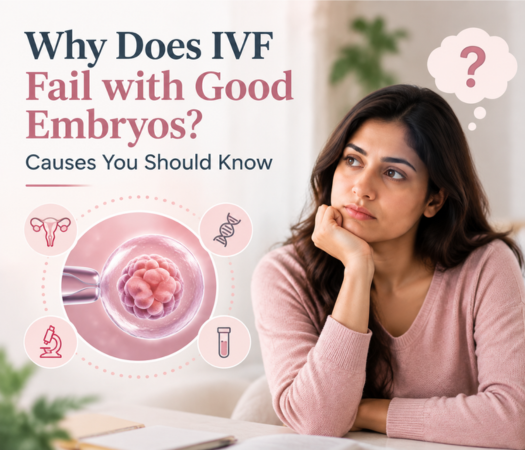
Experiencing an IVF failure can be deeply overwhelming and you are not alone in it. But it’s important to remember that IVF failure is not the end of your fertility journey. Many couples need more than one IVF cycle to conceive. Understanding IVF failure & what next can make your future attempt stronger, more informed, and significantly more successful. This guide will walk you through the next steps after a failed IVF. It will tell you about the evaluations you may need, why IVF fails, and how you can emotionally and medically prepare for your next cycle.

Why IVF May Fail

One thing to note here is that even with advanced technology and expert care, IVF can fail for several reasons. Understanding the reasons why IVF failed can help you make more informed decisions moving forward:

1. Embryo Quality Issues

Poor embryo development is one of the most common reasons IVF does not succeed. Many embryos carry genetic abnormalities that prevent implantation.

3. Implantation Problems

Even a healthy embryo may not implant properly due to Thin or unreceptive endometrium, Undiagnosed uterine abnormalities, Immunological factors.

5. Lifestyle Factors

Smoking, excessive alcohol, obesity, stress, or poor sleep can reduce IVF success.

2. Poor Ovarian Response

Sometimes the ovaries don’t produce enough mature eggs, affecting fertilization and embryo formation.

4. Sperm Quality Issues

Abnormal sperm DNA or poor motility can affect fertilization and embryo quality.

6. Unknown Factors

Sometimes IVF failure occurs despite everything appearing normal. This is known as unexplained implantation failure.

What Evaluations to Do After IVF Failure

Before deciding what next after IVF failure, your fertility specialist may recommend certain tests to understand what happened and how the next cycle can be improved.

1. Detailed Cycle Review

An in-depth assessment of:

  • Follicle growth
  • Egg quality
  • Fertilization rate
  • Embryo development
  • Implantation stage


2. Hormone Testing

Checking AMH, FSH, LH, progesterone, thyroid profile, and prolactin levels.

3. Uterine Evaluation

Tests may include:

  • Hysteroscopy
  • Pelvic ultrasound
  • Sonohysterogram


To look for fibroids, polyps, septum, or lining issues.

4. Genetic Testing

Options include:

  • PGT-A to detect chromosomal issues in embryos
  • Karyotyping for both partners


5. Sperm DNA Fragmentation Test

To identify deeper sperm issues not visible in a regular semen analysis.

6. Additional Immunological Tests

For chronic endometritis or autoimmune issues that may affect implantation.

Emotional Support After IVF Failure

An IVF failure is not only physically exhausting but also emotionally draining.

It is completely normal to feel:

  • Frustration
  • Sadness
  • Anxiety
  • Hopelessness

Talking to a counselor, joining a support group can help. We strongly recommend speaking openly with your doctor can significantly help in healing and rebuilding hope for your next cycle.

Treatment Options for the Next IVF Cycle

Once you understand what is the next step if IVF fails, you can take your next attempt with a stronger approach:

1. Personalized IVF Protocol

When an IVF cycle fails, it doesn’t always mean something is wrong, but it often means the previous approach needs fine-tuning. A personalised IVF protocol means your doctor will redesign the entire stimulation plan based on how your body responded earlier. Your doctor may adjust:

  • Medication doses
  • Stimulation protocol
  • Trigger injections

2. Improving Egg Quality

Egg quality plays a major role in embryo development and implantation. After a failed cycle, your doctor may recommend steps to enhance egg quality before your next attempt. It can be advised to use supplements, lifestyle changes, or antioxidant therapies.

3. Advanced Embryo Screening (PGT-A)

PGT-A (Preimplantation Genetic Testing for Aneuploidies) analyzes embryos to check if they have the correct number of chromosomes. PGT-A helps identify embryos with a healthy chromosomal makeup, increasing the chances of implantation.

4. ERA (Endometrial Receptivity Analysis)

The ERA test checks whether your uterine lining is ready for implantation at the exact time an embryo is usually transferred. The ERA test uses a small sample of your endometrial tissue to identify your personal optimal implantation window.

5. Donor Options

In some cases, especially after repeated failures, the issue may be related to severe egg or sperm quality problems that cannot be overcome with medications. Choosing donor options can significantly improve success rates because donor gametes come from young, healthy individuals with excellent fertility parameters.

6. Addressing Uterine Issues

The uterus plays a crucial role in implantation. Even healthy embryos can’t implant if the uterine environment isn’t optimal. Correcting issues like fibroids, polyps, or endometrial infections before the next transfer can help create a healthy, receptive uterine environment for the embryo.

Steps You Can Take After a Failed IVF Cycle

  • Maintain healthy BMI
  • Stop smoking & reduce alcohol
  • Eat balanced, antioxidant-rich meals
  • Manage stress (counselling / yoga / mindfulness)
  • Sleep 7–8 hours daily
  • Regular mild exercise

These lifestyle steps can improve egg & sperm quality.

How Soon Can You Try Again After IVF Failure?

While each case is unique, most couples can start their next cycle after:

  • 1 to 2 menstrual cycles. This allows the body to recover
  • Completing the recommended tests and evaluations

Your doctor will guide you depending on your medical and emotional readiness.

FAQs

Yes. IVF success depends on age, egg/sperm quality, embryo health, lifestyle, and other factors. Many couples require more than one cycle to conceive.

Consult your fertility specialist to understand the cycle review, tests needed, and the next steps after failed IVF before you try again.

Embryo abnormalities, poor egg or sperm quality, uterine issues, implantation failure, and lifestyle factors are common reasons why IVF failed.

Usually after 1–2 menstrual cycles, depending on your physical recovery and the results of any tests recommended after the failed cycle.

Identifying the cause, adjusting treatment protocols, and reviewing what next after IVF failure, including genetic testing, ERA testing, lifestyle changes, or personalized medication plans.

Book a Consultation with Dr. Sabia Mangat

One failed IVF cycle does not define your journey. Most couples achieve pregnancy with repeated attempts and personalised adjustments. We are here to support you medically and emotionally, every step of the way.

If you’ve experienced an IVF failure and want expert guidance on IVF failure- what next, Dr. Sabia Mangat offers personalized treatment plans, advanced diagnostics, and a supportive approach to help you move confidently toward your next attempt.

Your next cycle can be stronger, book a consultation today and take the next step toward parenthood.

Recent Blogs

What Is the Best Age for IVF Treatment?

What Is the Best Age for IVF Treatment? Home What Is the Best Age for IVF Treatment? What Is the Best Age for IVF Treatment? The decision to start a family is something deeply personal. It’s often influenced by career aspirations, personal relationships, and health conditions. Thanks to progress in

Read More »

The Process for Fertility Preservation: A Revolution in Reproductive Choice

The Process for Fertility Preservation Home The Process for Fertility Preservation The Process for Fertility Preservation: A Revolution in Reproductive Choice The decision to start a family is something deeply personal. It’s often influenced by career aspirations, personal relationships, and health conditions. Thanks to progress in assisted reproductive technologies such

Read More »

Leave a Reply

Your email address will not be published. Required fields are marked *