
Dr Sabia Mangat

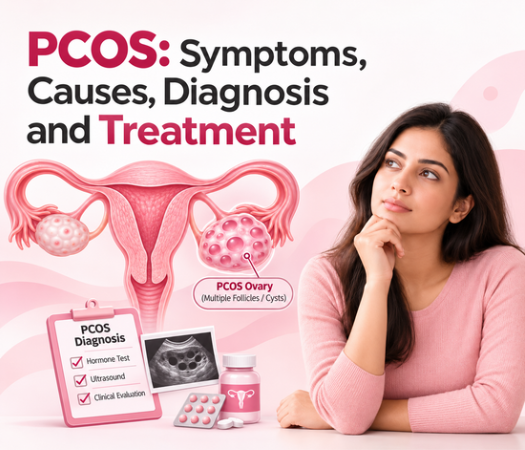
PCOS: Symptoms, Causes, Diagnosis and Treatment – A Complete Guide for Women in Mohali and Chandigarh

Is PCOS affecting your periods, weight or fertility

Introduction: Is PCOS affecting your periods, weight or fertility?

Are you experiencing irregular periods, unexplained weight gain, acne, excessive facial hair or difficulty getting pregnant? These symptoms could be associated with Polycystic Ovary Syndrome (PCOS), one of the most common hormonal and metabolic conditions affecting women of reproductive age.

PCOS is increasingly diagnosed among young women in India, particularly during their reproductive years. However, many women continue to ignore irregular periods, struggle with weight management or believe that PCOS automatically means infertility.

The good news is that PCOS is manageable with the right diagnosis, personalised treatment and long-term lifestyle modifications.

If you are looking for PCOS treatment in Mohali, you can consult Dr. Sabia Mangat, Reproductive Medicine & IVF Specialist at Garbh Fertility Clinic, Phase 9, Mohali. As a PCOS specialist in Mohali, she provides comprehensive evaluation and individualised management for women with PCOS, menstrual irregularities and PCOS-related fertility concerns.

In this article, we will discuss the symptoms, causes, investigations, treatment options and fertility implications of PCOS.

What is PCOS (Polycystic Ovary Syndrome)?

PCOS is a hormonal and metabolic disorder in which the ovaries may produce higher levels of androgens (male-type hormones), and ovulation may become irregular or infrequent.

Women with PCOS may experience:

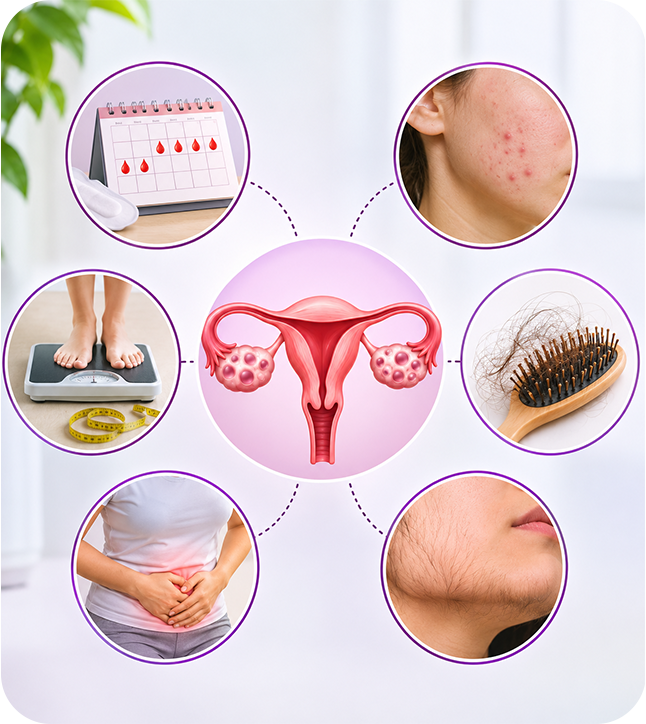
  • Irregular or missed menstrual periods.
  • Difficulty losing weight or unexplained weight gain.
  • Acne and oily skin.
  • Excessive facial or body hair.
  • Thinning of scalp hair.
  • Difficulty conceiving due to irregular ovulation.


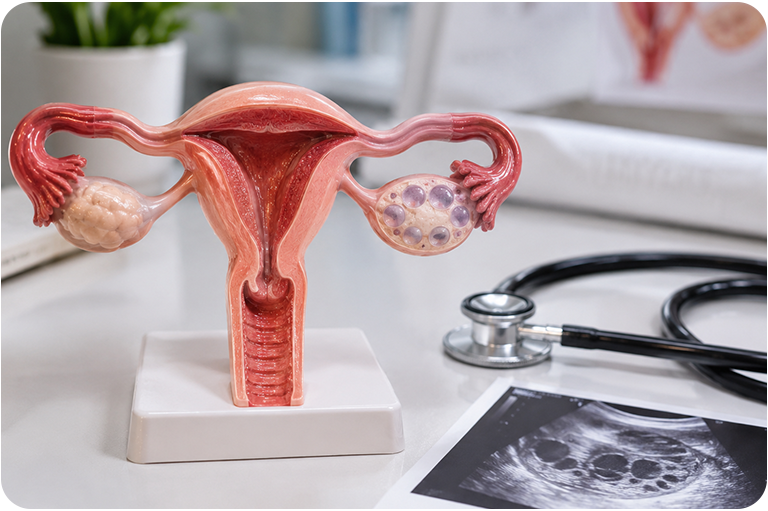
Despite its name, not every woman with PCOS has multiple ovarian cysts. The ultrasound appearance of polycystic ovaries is actually related to an increased number of small follicles.

PCOS is not simply an ovarian problem. It is a condition that can affect hormonal balance, metabolism, menstrual health and fertility.

What are the common symptoms of PCOS in women?

PCOS symptoms vary considerably from one woman to another. Some women experience multiple symptoms, while others may have only irregular periods.

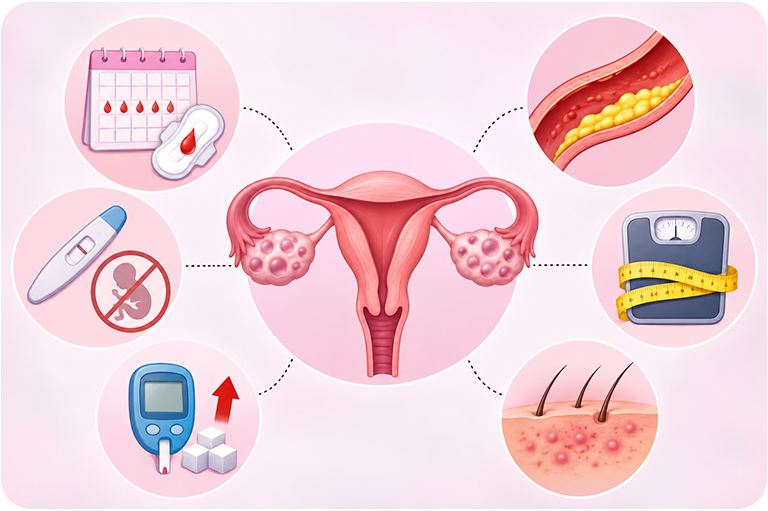
The common symptoms include:

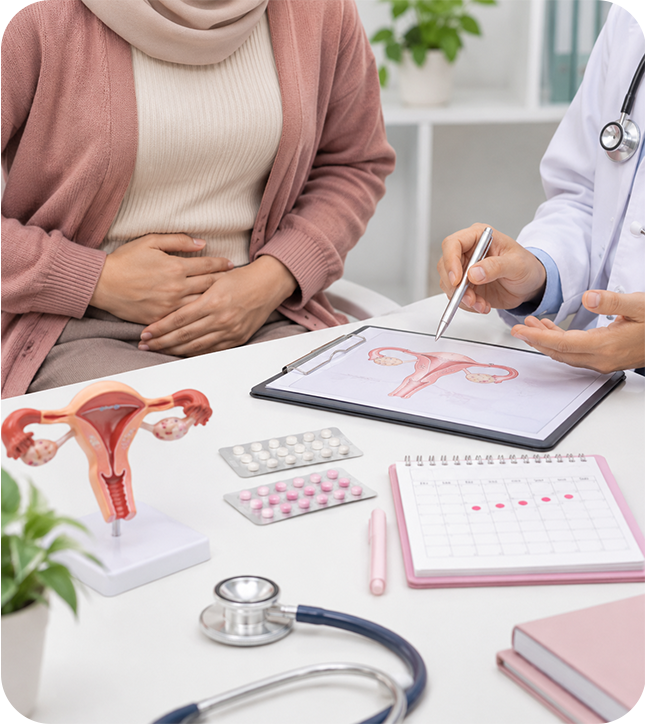
  • Irregular periods – This is one of the most common signs of PCOS. Women may experience delayed periods, fewer than eight menstrual cycles in a year, or occasionally complete absence of menstruation. Irregular periods often occur because ovulation is not happening regularly.

  • Weight gain and difficulty losing weight – Many women with PCOS experience weight gain, particularly around the abdomen. Insulin resistance can contribute to metabolic difficulties and make weight management challenging. However, it is important to understand that PCOS can also affect women who are lean or have a normal BMI.

  • Acne and oily skin – Elevated androgen levels can increase oil production in the skin, resulting in persistent acne, particularly around the chin, jawline and lower face.

  • Excessive facial and body hair – Increased androgen levels may cause unwanted hair growth on the chin, upper lip, chest, abdomen and other areas.

  • Hair thinning – Some women experience female-pattern hair thinning, particularly over the crown and central scalp.

  • Difficulty getting pregnant – Irregular or absent ovulation can make conception difficult. However, most women with PCOS have treatment options available to help them conceive.
What are the common symptoms of PCOS in women
What causes PCOS

What causes PCOS?

There is no single identified cause of PCOS. It is believed to develop due to a combination of genetic, hormonal and metabolic factors.

Some important contributing factors include:

  • Insulin resistance: The body’s cells respond less effectively to insulin, causing the pancreas to produce more insulin. Higher insulin levels can contribute to increased androgen production.
  • Hormonal imbalance: Increased androgen levels can interfere with normal follicular development and ovulation.
  • Genetic predisposition: PCOS can run in families, and women with a family history may have an increased likelihood of developing the condition.
  • Lifestyle and metabolic factors: Physical inactivity, unhealthy dietary patterns and excess weight can aggravate metabolic disturbances in susceptible women.


It is important to remember that PCOS is not caused simply by eating unhealthy food or being overweight. It can occur in women of all body types.

How is PCOS diagnosed?

There is no single blood test that confirms PCOS. Diagnosis requires a detailed clinical assessment, examination and appropriate investigations.

In adult women, PCOS is generally diagnosed when at least two of the following three features are present, after excluding other conditions that can cause similar symptoms:

  1. Ovulatory dysfunction: Irregular or absent ovulation, often reflected by irregular menstrual cycles.
  2. Clinical or biochemical hyperandrogenism: Excess facial/body hair, androgen-related acne or elevated androgen levels on blood testing.
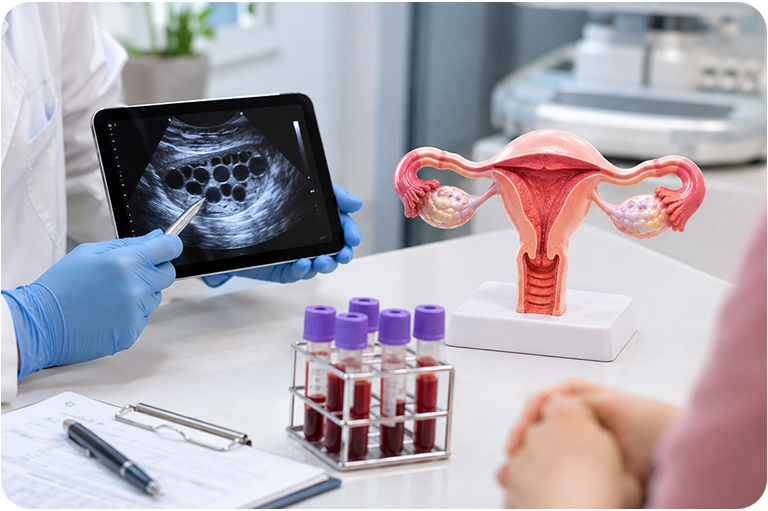
  3. Polycystic ovarian morphology: Characteristic ovarian appearance on ultrasound, or appropriately used AMH testing as an alternative in adults.
How is PCOS diagnosed
What investigations may be advised for PCOS?

Depending on your symptoms and clinical history, your gynaecologist may recommend:

  • Pelvic ultrasound to assess ovarian morphology and endometrial thickness.
  • Serum total testosterone and other androgen tests, when indicated.
  • TSH to evaluate thyroid function.
  • Serum prolactin to exclude hyperprolactinaemia.
  • Blood glucose assessment, preferably a 75-g oral glucose tolerance test when appropriate.
  • Lipid profile to assess cholesterol and metabolic health.
  • Additional hormonal investigations when required to exclude other causes of menstrual irregularities.


Important: AMH alone cannot diagnose PCOS. Similarly, having polycystic-appearing ovaries on ultrasound does not necessarily mean you have PCOS.

A proper diagnosis is essential before starting treatment.

What is the best treatment for PCOS?

There is no single treatment that works for every woman with PCOS. Treatment depends on age, symptoms, metabolic health, menstrual pattern and whether pregnancy is currently desired.


The aim is not just to regulate periods but also to improve hormonal health, protect the endometrium, address metabolic risks and optimise fertility where required.

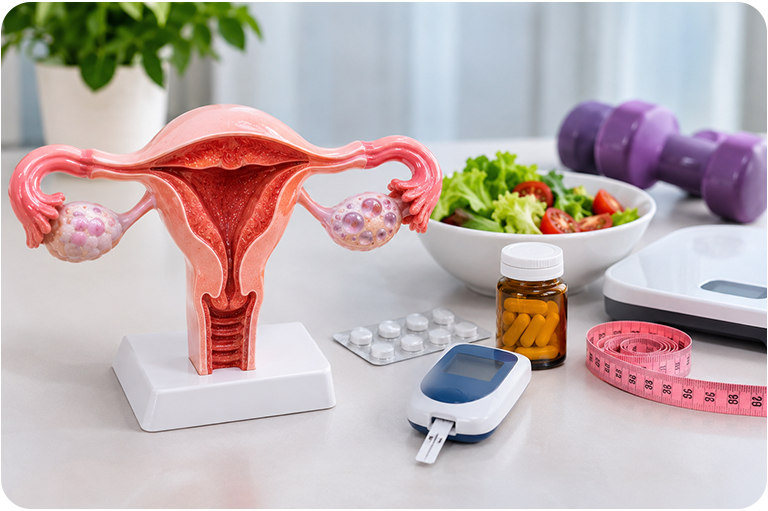
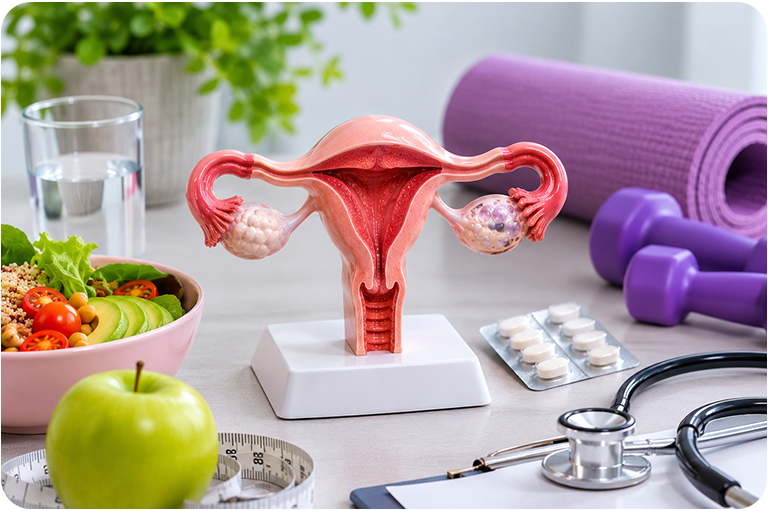
1. Lifestyle modification and dietary management

Lifestyle modification is an essential part of PCOS management, irrespective of body weight.

Some important recommendations include:

  • Follow a balanced diet rich in vegetables, fruits, protein, fibre and whole grains.
  • Prefer low-glycaemic-index carbohydrate sources where suitable.
  • Reduce excessive intake of refined carbohydrates, sugary beverages and highly processed foods.
  • Include regular physical activity, combining aerobic exercise with resistance training.
  • Aim for adequate sleep and consistent sleep timings.
  • Maintain a healthy weight and avoid crash diets.


Even modest weight reduction, when appropriate for an individual woman, can improve metabolic health and menstrual regularity.

There is no single PCOS diet that is superior for everyone. Your diet should be sustainable and nutritionally balanced.

Medical treatment for irregular periods
2. Medical treatment for irregular periods

Women who are not planning pregnancy may be prescribed hormonal medication, including combined oral contraceptive pills, depending on their medical history and suitability.

Cyclic progesterone or other progestin therapy may be advised in selected women to protect the endometrium when periods are significantly infrequent.

Treatment should always be individualised.

3. Metformin for PCOS

Metformin may be prescribed in women with PCOS, particularly when metabolic abnormalities or insulin resistance are present.

It can improve insulin sensitivity and may help with metabolic parameters and menstrual function in selected women.

However, metformin is not required by every woman with PCOS and should be prescribed after proper evaluation.

4. Treatment for acne and excessive facial hair

Depending on the severity of symptoms, treatment may include hormonal medication, selected anti-androgens and dermatological therapies.

Anti-androgen medications require appropriate medical supervision and reliable contraception because of potential risks during pregnancy.

Can you get pregnant if you have PCOS?

Yes! PCOS does not mean you cannot become pregnant.

One of the biggest misconceptions about PCOS is that it causes permanent infertility.

PCOS can interfere with regular ovulation, making it difficult for some women to conceive naturally. However, many women with PCOS conceive spontaneously, while others may require ovulation induction treatment.

The treatment approach depends on the individual’s age, duration of infertility, ovarian function and other fertility factors.

Fertility treatment options for women with PCOS

  • Lifestyle optimisation – Women with PCOS who are planning pregnancy should receive preconception counselling, metabolic assessment and advice regarding healthy lifestyle habits.
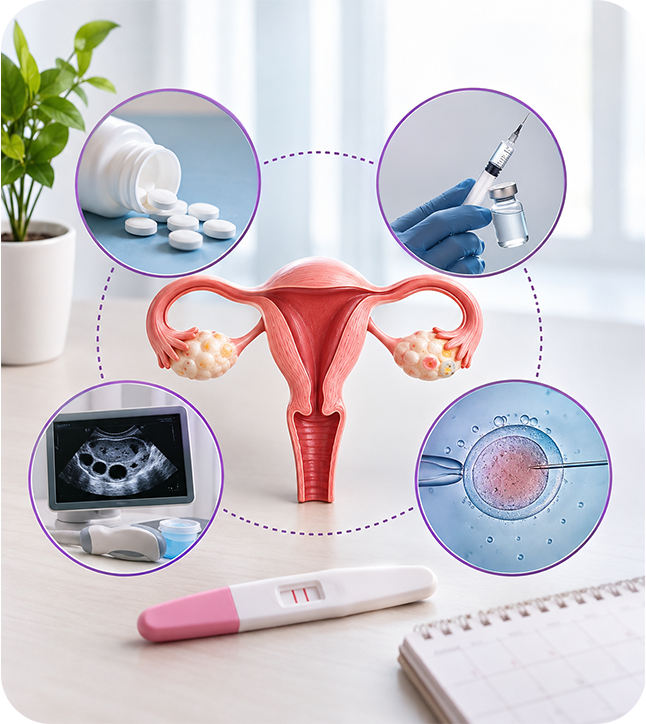
  • Ovulation induction with medication – Letrozole is recommended as the first-line pharmacological treatment for ovulation induction in women with PCOS-related anovulatory infertility, when there are no other infertility factors. It helps stimulate the development of a mature follicle and improves the chances of ovulation.
  • Monitoring of ovulation – Follicular monitoring through ultrasound may be recommended to assess follicular development and guide treatment.
  • IUI treatment – Intrauterine insemination (IUI) may be considered in selected couples depending on their infertility evaluation and other clinical factors.
  • IVF treatment – IVF may be recommended when other fertility treatments have not been successful or when additional infertility factors are present.


Women with PCOS undergoing IVF require careful ovarian stimulation and monitoring because they may have an increased risk of ovarian hyperstimulation syndrome (OHSS).

An individualised stimulation protocol and appropriate preventive measures help improve treatment safety.

Can PCOS cause complications if left untreated
Can PCOS cause complications if left untreated?

PCOS is not just about irregular periods. It can have long-term metabolic and reproductive health implications.

Women with PCOS may have an increased risk of:

  • Insulin resistance and type 2 diabetes.
  • Abnormal cholesterol levels.
  • High blood pressure and cardiovascular risk factors.
  • Endometrial hyperplasia due to prolonged periods without ovulation.
  • Fertility difficulties.
  • Anxiety, depression and body-image concerns.
  • Sleep apnoea, particularly in women with additional risk factors.


The absolute risk of endometrial cancer remains low, but prolonged untreated absence of menstruation should not be ignored.

Regular medical assessment and appropriate preventive care are important.

When should you consult a gynaecologist for PCOS?

You should consider consulting a gynaecologist if you experience:

  • Periods consistently more than 35 days apart.
  • Fewer than eight menstrual cycles in a year.
  • No periods for three months or longer, if not pregnant.
  • Persistent acne or excessive facial hair.
  • Unexplained weight gain or difficulty managing weight.
  • Difficulty conceiving despite regular attempts.
  • A previous diagnosis of PCOS without regular follow-up.


Early assessment can help identify hormonal and metabolic abnormalities and prevent unnecessary delays in treatment.

dr sabia mangat
PCOS Treatment in Mohali and Chandigarh – Consult Dr. Sabia Mangat

If you are looking for PCOS treatment in Mohali or Chandigarh, a personalised evaluation by an experienced gynaecologist and reproductive medicine specialist can help you understand your condition and choose the right treatment.

At Garbh Fetal Medicine Centre & Fertility Clinic, Phase 9, Mohali, Dr. Sabia Mangat, MBBS, MS (OBG), FRM, Reproductive Medicine & IVF Specialist, provides consultation and management for:

  • PCOS and hormonal imbalance.
  • Irregular and delayed menstrual periods.
  • Weight-related metabolic concerns associated with PCOS.
  • Acne and androgen-related symptoms.
  • PCOS-related infertility.
  • Ovulation induction and follicular monitoring.
  • Preconception counselling.
  • Fertility evaluation and treatment, including IUI and IVF when indicated.


Every woman with PCOS is different. Our approach focuses on identifying the underlying problem, addressing symptoms, improving reproductive health and helping women achieve their fertility goals.

Do not ignore irregular periods or assume that PCOS means infertility. Get the right diagnosis and take control of your reproductive health.

Book your PCOS consultation in Mohali. Click below to schedule your appointment.

Frequently Asked Questions About PCOS

PCOS is a chronic condition, and there is currently no permanent cure. However, its symptoms and associated metabolic risks can be effectively managed with lifestyle modifications, medical treatment and regular follow-up.

Yes. Some women with PCOS have relatively regular menstrual cycles. Regular periods alone do not completely exclude PCOS.

No. Despite its name, PCOS does not mean that a woman has true ovarian cysts. The ultrasound appearance usually represents multiple small follicles.

Yes. PCOS can affect women with normal BMI as well as women who are overweight or obese. Being lean does not rule out PCOS.

PCOS may cause irregular ovulation and make conception difficult in some women. However, with appropriate treatment, many women with PCOS achieve successful pregnancies.

Not always. In adults who have both irregular menstrual cycles and clinical or biochemical hyperandrogenism, an ultrasound is not necessary to establish the diagnosis once other causes have been excluded.

Consult a gynaecologist if you have persistent irregular periods, excessive facial hair, acne, unexplained weight changes or difficulty conceiving. Early evaluation helps identify the appropriate treatment.

AMH can change over time, and levels may vary between tests. Treatment focuses on the underlying fertility concern rather than simply lowering AMH.

AMH is generally more stable during the menstrual cycle than some other reproductive hormones. However, biological variation, laboratory differences, hormonal contraception and other factors can influence results.

Consider consulting a fertility specialist if you have a low AMH result and wish to conceive, experience irregular periods or have been trying to conceive without success.

For women under 35, fertility evaluation is generally recommended after 12 months of regular unprotected intercourse without conception. For women aged 35 or older, evaluation is generally recommended after six months. Women over 40 or with known  medical comorbidity like hypertension , diabetes , PCOS, endometriosis or known male factor may benefit from earlier assessment.

Medical information note: This article is intended for educational purposes and should not replace an individual medical consultation. Treatment and investigations should be based on clinical assessment.

Recent Blogs

Is It Possible to Get Pregnant with High AMH Levels

Is It Possible to Get Pregnant with High AMH Levels?

Is It Possible to Get Pregnant with High AMH Levels? Home Is It Possible to Get Pregnant with High AMH Levels? AMH, or Anti-Müllerian Hormone, is a hormone that helps doctors understand a woman’s ovarian reserve. It gives an idea about the number of eggs remaining in the ovaries. Many

Read More »
how-to-increase-amh-levels-naturally

How to Increase AMH Levels Naturally: What Actually Works?

How to Increase AMH Levels Naturally: What Actually Works? Home How to Increase AMH Levels Naturally: What Actually Works? Anti-Müllerian Hormone (AMH) is an important hormone used to assess a woman’s ovarian reserve. It is produced by small follicles in the ovaries and can give doctors an idea about the

Read More »

Leave a Reply

Your email address will not be published. Required fields are marked *