







Dr Sabia Mangat

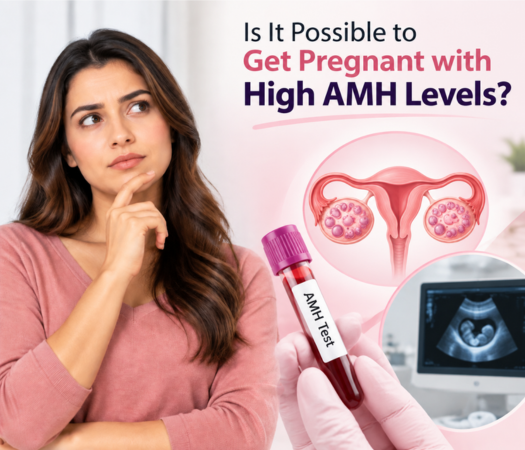
Is It Possible to Get Pregnant with High AMH Levels?

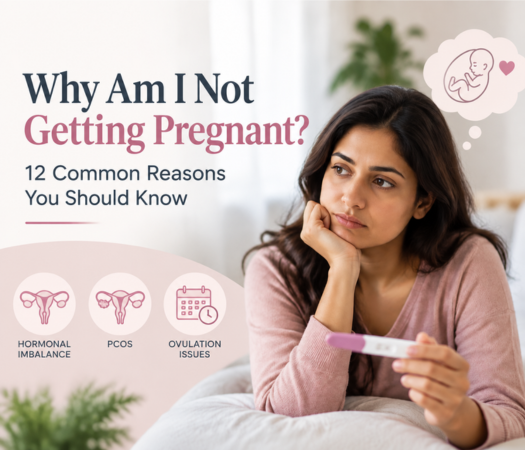
Why Am I Not Getting Pregnant?

AMH, or Anti-Müllerian Hormone, is a hormone that helps doctors understand a woman’s ovarian reserve. It gives an idea about the number of eggs remaining in the ovaries. Many women become concerned when their AMH level is higher than expected and wonder, is it possible to get pregnant with high AMH level?

The answer is yes. A high AMH level does not mean that pregnancy is impossible. However, a high AMH level can sometimes be linked to conditions such as Polycystic Ovary Syndrome (PCOS), which may affect ovulation.

Understanding what your AMH result means is important before making any decisions about fertility.

What Does a High AMH Level Mean?

AMH is produced by small follicles in the ovaries. A higher AMH level can mean that there are many small follicles present in the ovaries.

However, AMH alone cannot tell whether you will become pregnant naturally. It does not directly measure egg quality, and it does not confirm whether you are ovulating regularly.

This is why is it possible to get pregnant with high AMH level is not a question that can be answered by looking at AMH alone. Doctors usually consider your age, menstrual cycle, ovulation, fallopian tubes, uterus and your partner’s fertility along with AMH.

Can You Get Pregnant Naturally with High AMH?

Yes, many women with high AMH can become pregnant naturally. If ovulation is regular and there are no other fertility problems, a high AMH level by itself does not prevent conception.

For some women, however, high AMH may be associated with PCOS. PCOS can cause irregular or absent ovulation, making it harder to conceive.

Therefore, is it possible to get pregnant with high AMH level depends more on the overall fertility picture than on the AMH result alone.

Is High AMH a Sign of Good Fertility?

It is easy to think that a higher AMH automatically means better fertility. This is not always true.

AMH mainly provides information about ovarian reserve. A high AMH may indicate a larger number of follicles, but it does not guarantee good egg quality or regular ovulation.

When looking at AMH level for pregnancy, doctors also consider age and other fertility factors. A woman may have a high AMH and still have difficulty becoming pregnant if she does not ovulate regularly.

Similarly, a woman with a lower AMH may still become pregnant.

High AMH and PCOS

One of the common reasons for high AMH is PCOS. Women with PCOS may have many small follicles in their ovaries, which can result in higher AMH levels.

PCOS does not mean that pregnancy is impossible. Many women with PCOS become pregnant with the right care and treatment.

Symptoms that may be linked with PCOS include:

  • Irregular periods
  • Irregular ovulation
  • Acne
  • Increased facial or body hair
  • Weight changes
  • Difficulty becoming pregnant


If you have high AMH along with irregular periods, your doctor may check for PCOS and other causes of irregular ovulation.

What Is a Normal or High AMH Level?

AMH levels can vary based on age, the laboratory test used and individual health. There is no single number that can be called high for every woman.

A doctor will compare your result with the reference range provided by the laboratory and your age.

The AMH value for pregnancy should therefore not be viewed as one fixed number that guarantees or prevents pregnancy.

If your AMH is higher than expected, your doctor may recommend other tests to understand why.

How Does High AMH Affect Pregnancy?

High AMH does not automatically reduce your chance of pregnancy. The main concern is whether the high level is linked to a condition that affects ovulation.

For example, women with PCOS may have difficulty releasing an egg regularly. If ovulation does not happen regularly, timing intercourse and achieving pregnancy can become harder.

This explains why high AMH and pregnancy can have different outcomes from one woman to another.

Other factors such as age, sperm health, fallopian tube health, uterine health and egg quality also play important roles.

Can High AMH Make It Difficult to Get Pregnant?

A high AMH level itself is not usually considered a direct cause of infertility. However, if it is associated with PCOS or irregular ovulation, it may contribute to difficulty conceiving.

So, is it possible to get pregnant with high AMH level? Yes, but the answer depends on what is causing the high AMH and whether ovulation is occurring normally.

Women with regular periods and confirmed ovulation may not have the same fertility concerns as women with irregular cycles.

High AMH and IVF Treatment

AMH is also useful when planning IVF treatment. A higher AMH can indicate a larger number of follicles that may respond to fertility medicines.

However, women with high AMH, especially those with PCOS, may have a higher risk of ovarian hyperstimulation syndrome (OHSS). Fertility specialists can adjust medication doses and monitor the ovaries carefully to reduce this risk.

When considering AMH for pregnancy, it is important to understand that AMH does not predict IVF success on its own. Age, embryo quality, sperm health and other factors also matter.

The same applies to high AMH and pregnancy after fertility treatment.

Can AMH Levels Return to Normal?

AMH levels can change over time. They may also vary depending on the testing method and individual circumstances.

If high AMH is linked to PCOS, treating the underlying condition and managing symptoms may help improve ovulation. However, treatment is not simply aimed at bringing AMH into a particular range.

The goal is to support healthy ovulation and improve the chances of pregnancy.

Why Choose Dr. Sabia Mangat?

If you are concerned about your AMH result or pregnancy chances, Dr. Sabia Mangat can help you understand what your test results mean for your individual situation.

At her reproductive medicine and fertility clinic, fertility concerns can be assessed using your medical history, menstrual cycle, ovulation pattern and other relevant tests. This helps create a suitable treatment plan based on your needs.

Patients can receive:

  • Ovarian reserve assessment
  • Hormonal evaluation
  • Fertility counselling
  • Personalised IVF planning
  • IUI and IVF treatment
  • Guidance on lifestyle and reproductive health


The goal is to help each patient make informed decisions about fertility and pregnancy planning.

FAQs

Yes. Many women with high AMH become pregnant naturally. A high AMH level alone does not prevent pregnancy. Regular ovulation and overall reproductive health are important.

A high AMH usually indicates a larger number of small follicles in the ovaries. It does not automatically mean better or worse fertility.

Not necessarily. AMH mainly reflects ovarian reserve. It does not directly measure egg quality or confirm regular ovulation.

High AMH itself does not usually cause infertility. However, when it is linked to PCOS and irregular ovulation, it may make conception more difficult.

Yes. High AMH is commonly seen in women with PCOS because they may have a higher number of small ovarian follicles. A proper medical evaluation is needed for diagnosis.

There is no single AMH value that is high for every woman. The result depends on age, laboratory reference ranges and individual factors.

High AMH can help doctors understand how the ovaries may respond to IVF medicines. However, it does not guarantee IVF success. Careful monitoring is important, particularly when PCOS is present.

AMH can change over time, and levels may vary between tests. Treatment focuses on the underlying fertility concern rather than simply lowering AMH.

If you have high AMH along with irregular periods, PCOS symptoms or difficulty conceiving, a fertility specialist can help identify the possible cause and guide you toward suitable care.

Yes. Some women with high AMH have regular ovulation and can become pregnant naturally. Your menstrual pattern and other fertility tests help provide a clearer picture.

Final Thoughts

So, is it possible to get pregnant with high AMH level? Yes. A high AMH level does not mean you cannot become pregnant. It is mainly a marker of ovarian reserve and should be understood along with other fertility factors.

If you have concerns about your AMH, PCOS, ovulation or pregnancy chances, speaking with Dr. Sabia Mangat can help you understand your fertility health and explore the right options for your situation.

Recent Blogs

Is It Possible to Get Pregnant with High AMH Levels

Is It Possible to Get Pregnant with High AMH Levels?

Is It Possible to Get Pregnant with High AMH Levels? Home Is It Possible to Get Pregnant with High AMH Levels? AMH, or Anti-Müllerian Hormone, is a hormone that helps doctors understand a woman’s ovarian reserve. It gives an idea about the number of eggs remaining in the ovaries. Many

Read More »
how-to-increase-amh-levels-naturally

How to Increase AMH Levels Naturally: What Actually Works?

How to Increase AMH Levels Naturally: What Actually Works? Home How to Increase AMH Levels Naturally: What Actually Works? Anti-Müllerian Hormone (AMH) is an important hormone used to assess a woman’s ovarian reserve. It is produced by small follicles in the ovaries and can give doctors an idea about the

Read More »
pcos-vs-pcod

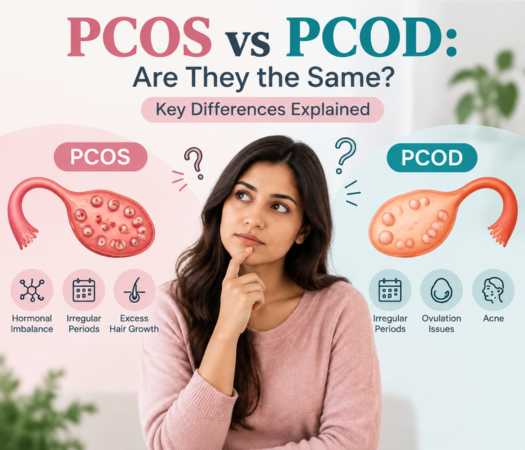
PCOS vs PCOD: Are They the Same? Key Differences Explained

PCOS vs PCOD: Are They the Same? Key Differences Explained Home PCOS vs PCOD: Are They the Same? Key Differences Explained Irregular periods, acne, unwanted facial hair, and unexplained weight gain are becoming increasingly common concerns among women. Many of these symptoms are linked to hormonal disorders like PCOS and

Read More »
why-does-ivf-fail-with-good-embryos

Why Does IVF Fail with Good Embryos? Causes You Should Know

Why Does IVF Fail with Good Embryos? Causes You Should Know Home Why Does IVF Fail with Good Embryos? Causes You Should Know In Vitro Fertilisation (IVF) has helped millions of couples achieve their dream of becoming parents. Thanks to advances in reproductive medicine, many IVF cycles now produce high-quality

Read More »
signs-of-bad-egg-quality

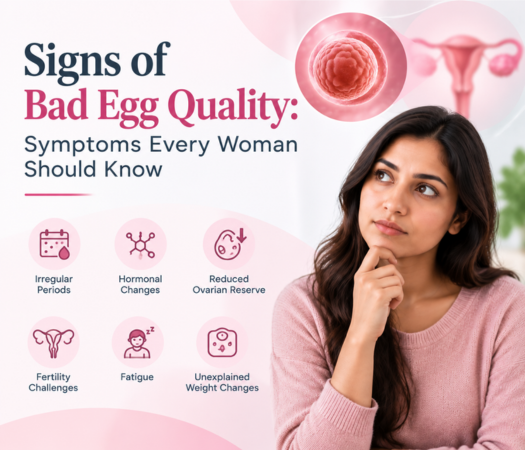
Signs of Bad Egg Quality: Symptoms Every Woman Should Know

Signs of Bad Egg Quality: Symptoms Every Woman Should Know Home Signs of Bad Egg Quality: Symptoms Every Woman Should Know Female fertility depends on several factors, but one of the most important is the quality of a woman’s eggs. Healthy eggs are essential for successful fertilisation, embryo development, and

Read More »

Leave a Reply

Your email address will not be published. Required fields are marked *