


Dr Sabia Mangat

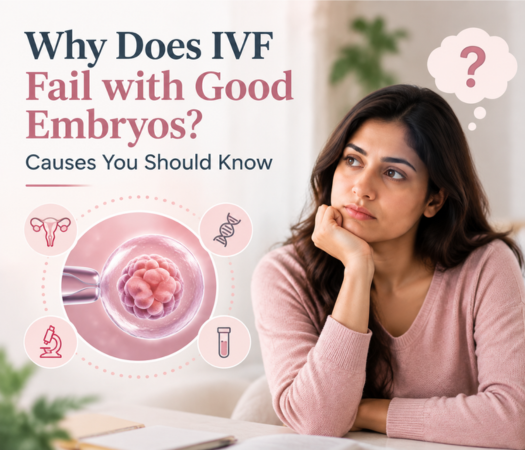
Why Does IVF Fail with Good Embryos? Causes You Should Know

In Vitro Fertilisation (IVF) has helped millions of couples achieve their dream of becoming parents. Thanks to advances in reproductive medicine, many IVF cycles now produce high-quality embryos that appear healthy under laboratory evaluation. However, even when good embryos are transferred, pregnancy is not always guaranteed.

This often leaves couples asking, why does IVF fail with good embryos? The answer is that successful implantation depends on many factors beyond embryo quality. The health of the uterus, hormonal balance, genetics, and several other medical conditions all play an important role.

At Dr. Sabia Mangat’s clinic, a leading Reproductive Medicine and IVF centre, every patient receives a thorough fertility evaluation and personalised treatment plan to identify possible causes of implantation failure and improve the chances of a successful pregnancy.

Why Does IVF Fail with Good Embryos?

One of the most common questions fertility specialists hear is, why IVF fail with good embryos?

Although embryo quality is one of the most important factors in IVF success, implantation is a complex biological process. Even embryos that appear excellent under the microscope may not implant successfully if other reproductive factors are affecting the outcome.

Understanding why IVF fail with good embryos helps couples appreciate that IVF success depends on both embryo health and the body’s ability to support implantation.

Common Reasons Why IVF Fails

Many couples wonder IVF failure despite following every medical recommendation. Several medical factors may contribute to unsuccessful IVF cycles.

1. Implantation Failure – Even with a healthy embryo, implantation may not occur if the uterine lining is not receptive. This is one of the most common reasons for IVF failure despite good-quality embryos.

2. Uterine Abnormalities – Conditions such as fibroids, polyps, scar tissue, or chronic inflammation can affect embryo implantation. Proper evaluation before IVF helps identify these issues.

3. Chromosomal Abnormalities – A good-looking embryo may still have genetic abnormalities that prevent implantation or lead to early miscarriage. Genetic testing may be recommended in some cases.

4. Endometrial Receptivity Problems – If the uterine lining is too thin or not prepared during the implantation window, the embryo may fail to attach successfully.

5. Hormonal Imbalances – Hormonal issues involving progesterone, thyroid, or prolactin can interfere with implantation. Proper hormonal assessment helps improve IVF outcomes.

6. Immune System Factors – In some cases, immune-related conditions may affect implantation or early pregnancy. Additional testing may be advised based on individual medical history.

Can Good Embryos Still Fail to Implant?

Yes.

One reason couples ask why IVF fails with good embryos is because embryo grading can sometimes be misunderstood.

Embryo grading evaluates appearance, cell development, and growth patterns, but it cannot guarantee successful implantation or pregnancy. Even high-grade embryos may fail due to uterine, hormonal, or genetic factors.

This is why fertility specialists evaluate both embryo quality and maternal health before every embryo transfer.

What is Repeated Implantation Failure?

Repeated implantation failure refers to multiple unsuccessful embryo transfers despite transferring good-quality embryos.

Possible causes include:

  • Uterine abnormalities
  • Genetic factors
  • Hormonal disorders
  • Endometrial receptivity issues
  • Immune-related conditions


A comprehensive fertility evaluation is essential before planning another IVF cycle.

Can IVF Success Be Improved?

Although no fertility treatment offers a 100% guarantee, identifying underlying medical issues can significantly improve the chances of success.

Dr. Sabia Mangat may recommend:

  • Detailed fertility investigations
  • Hysteroscopy when indicated
  • Hormonal optimisation
  • Lifestyle modifications
  • Advanced embryo selection techniques
  • Personalised embryo transfer timing
  • Genetic testing in selected cases


Every fertility journey is unique, and treatment plans should always be individualised.

IVF Treatment in Chandigarh

Couples looking for IVF treatment in Chandigarh should choose a fertility specialist with extensive experience in diagnosing complex reproductive conditions.

Dr. Sabia Mangat provides advanced IVF treatment using evidence-based reproductive medicine, modern laboratory support, and compassionate patient care.

Patients undergoing IVF treatment at her clinic benefit from:

  • Comprehensive fertility assessment
  • Individualised IVF protocols
  • Advanced ultrasound monitoring
  • Modern embryology laboratory
  • Transparent counselling
  • Continuous support throughout the fertility journey

The clinic focuses on identifying the underlying cause of infertility rather than simply treating symptoms.

Why Choose Dr. Sabia Mangat?

Choosing the right fertility specialist is one of the most important decisions for couples facing infertility.

Dr. Sabia Mangat is a trusted Reproductive Medicine and IVF specialist known for providing personalised fertility care with compassion and clinical excellence.

Her clinic offers:

  • Complete fertility investigations
  • Advanced IVF treatment
  • Individualised fertility plans
  • High-quality laboratory support
  • Ethical and transparent patient care
  • Ongoing counselling throughout treatment


Every treatment plan is tailored to the patient’s unique medical history and fertility goals

FAQs

IVF may fail despite good embryos due to uterine abnormalities, implantation issues, hormonal imbalances, chromosomal abnormalities, immune factors, or other medical conditions affecting pregnancy.

Yes. Even healthy-looking embryos may not implant successfully because implantation depends on both embryo quality and the condition of the uterus.

Common causes include poor endometrial receptivity, uterine abnormalities, hormonal imbalance, chromosomal abnormalities, immune-related conditions, and lifestyle factors.

Good-quality embryos may fail to implant if the uterine lining is not receptive, hormonal levels are not optimal, or hidden genetic abnormalities are present.

Yes. Unfortunately, not every embryo transfer results in pregnancy, even when embryo quality appears excellent.

Implantation failure may result from uterine conditions, hormonal disorders, chromosomal abnormalities, immune factors, or problems with endometrial receptivity.

Yes. Fibroids, polyps, scar tissue, and congenital uterine abnormalities may interfere with successful implantation.

In some patients, immune-related conditions may contribute to implantation failure, although this requires careful evaluation by a fertility specialist.

Yes. An embryo may appear healthy under the microscope while still carrying chromosomal abnormalities that affect implantation or pregnancy development.

Repeated implantation failure refers to multiple unsuccessful embryo transfers despite transferring good-quality embryos, requiring further medical investigation to identify underlying causes.

Final Thoughts

Many couples are understandably discouraged when asking why IVF fail with good embryos after an unsuccessful treatment cycle. While embryo quality is crucial, successful pregnancy also depends on uterine health, hormonal balance, genetics, and many other factors that influence implantation.

Rather than losing hope after a failed cycle, it is important to undergo a comprehensive evaluation to identify any underlying issues that may be affecting treatment outcomes. At Dr. Sabia Mangat’s clinic, patients receive expert fertility assessment, advanced diagnostic testing, and personalised IVF treatment plans designed to maximise the chances of a healthy pregnancy. With compassionate guidance and evidence-based reproductive care, couples can move forward with confidence on their journey toward parenthood.

Recent Blogs

Why Does IVF Fail with Good Embryos? Causes You Should Know

Why Does IVF Fail with Good Embryos? Causes You Should Know Home Why Does IVF Fail with Good Embryos? Causes You Should Know In Vitro Fertilisation (IVF) has helped millions of couples achieve their dream of becoming parents. Thanks to advances in reproductive medicine, many IVF cycles now produce high-quality

Read More »

Signs of Bad Egg Quality: Symptoms Every Woman Should Know

Signs of Bad Egg Quality: Symptoms Every Woman Should Know Home Signs of Bad Egg Quality: Symptoms Every Woman Should Know Female fertility depends on several factors, but one of the most important is the quality of a woman’s eggs. Healthy eggs are essential for successful fertilisation, embryo development, and

Read More »

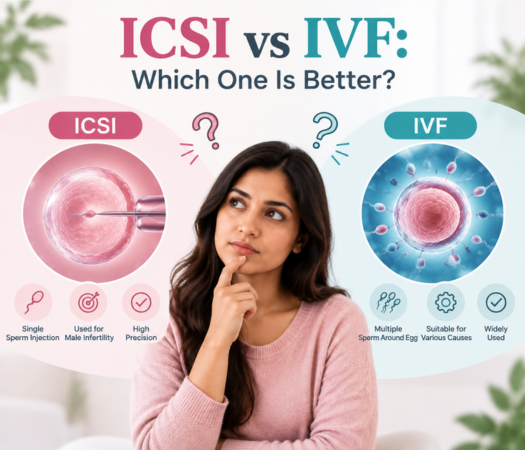
ICSI vs IVF: Which One Is Better?

What Is the Difference Between ICSI and IVF? Home What Is the Difference Between ICSI and IVF? Infertility treatments have helped millions of couples achieve their dream of parenthood. Among the most common assisted reproductive techniques are IVF and ICSI. Many couples researching fertility options often ask, what is the

Read More »

What is Minimal Stimulation IVF? Process, Benefits & Success Rate

What is Minimal Stimulation IVF? Process, Benefits & Success Rate Home What is Minimal Stimulation IVF? Process, Benefits & Success Rate For couples struggling with infertility, IVF has become one of the most effective treatment options available today. However, many patients are now looking for fertility solutions that are less

Read More »

What Is ICSI Treatment and When Is It Recommended?

What Is ICSI Treatment and When Is It Recommended? Home What Is ICSI Treatment and When Is It Recommended? Infertility can be a difficult journey for many couples, but modern reproductive treatments have made parenthood possible for thousands of families. One of the most effective assisted reproductive techniques available today

Read More »

Leave a Reply

Your email address will not be published. Required fields are marked *