
How to Increase AMH Levels Naturally: What Actually Works?

How to Increase AMH Levels Naturally: What Actually Works? Home How to Increase AMH Levels Naturally: What Actually Works? Anti-Müllerian Hormone (AMH) is an important hormone used to assess a woman’s ovarian reserve. It is produced by small follicles in the ovaries and can give doctors an idea about the remaining egg supply. When AMH levels are low, many women become concerned about their fertility and start searching for how to increase AMH levels naturally. It is important to understand that AMH is mainly a marker of egg quantity, not a direct measure of egg quality or a guarantee of pregnancy. Lifestyle changes may support overall reproductive health, but there is no proven natural method that can permanently restore the number of eggs in the ovaries. At Dr. Sabia Mangat clinic, a leading Reproductive Medicine and IVF specialist, women with low AMH receive detailed fertility assessments and personalised guidance based on their age, ovarian reserve, and pregnancy goals. What Does a Low AMH Level Mean? AMH levels generally reflect the number of small follicles present in the ovaries. A lower level may indicate reduced ovarian reserve. However, one AMH result should not be considered on its own when assessing fertility. Age, menstrual history, ovarian ultrasound, and other fertility tests also provide important information. Before considering how to increase AMH levels, it is important to understand why the level is low and what it means for your individual fertility. Low AMH does not automatically mean that pregnancy is impossible. Women with low AMH can still conceive, depending on their age and other fertility factors. Can AMH Levels Be Increased Naturally? A common question is can AMH levels be increased through food, exercise, or supplements? Currently, there is no strong scientific evidence showing that a particular food, diet, or lifestyle change can permanently increase the number of eggs a woman has. The ovarian reserve naturally declines with age, and this process cannot be reversed. However, healthy lifestyle habits can support overall ovarian and reproductive health. They may also help women prepare their bodies for conception and fertility treatment. So, when considering how to increase AMH levels, the focus should be on protecting existing reproductive health rather than expecting a specific food or supplement to create new eggs. 1. Maintain a Healthy Weight Both being underweight and being overweight can affect hormonal and reproductive health. Maintaining a healthy weight through balanced nutrition and regular physical activity can support normal hormonal function. If you are trying to understand how to improve AMH level, maintaining a healthy body weight is one practical step. However, weight management should be gradual and based on professional advice, especially when planning pregnancy. When comparing PCOD vs PCOS, several important differences should be understood. 2. Eat a Balanced and Nutritious Diet There is no specific food that can guarantee an increase in AMH. However, a balanced diet provides nutrients that support general health and normal reproductive function. Include: Fresh fruits and vegetables Whole grains Pulses and legumes Nuts and seeds Eggs and lean protein Healthy fats Adequate water Foods containing antioxidants, such as berries, leafy vegetables, nuts, and colourful vegetables, can be part of a healthy fertility-focused diet. If you are asking can we increase AMH level through food alone, it is important to have realistic expectations. Good nutrition supports health but cannot replace medical fertility care. 3. Avoid Smoking and Limit Alcohol Smoking can negatively affect ovarian function and reproductive health. It is therefore advisable to avoid smoking when trying to conceive. Excessive alcohol consumption may also affect overall reproductive health. Women planning pregnancy should discuss alcohol use with their doctor. These changes may not directly raise AMH, but they can support a healthier environment for reproductive function. 4. Exercise Regularly Regular moderate exercise can improve cardiovascular health, metabolic health, sleep, and overall well-being. Activities such as: Walking Swimming Cycling Yoga Strength training However, excessive high-intensity exercise combined with inadequate nutrition may sometimes affect menstrual and hormonal function. Exercise should therefore be balanced and appropriate for your health. 5. Manage Stress Long-term stress can affect overall physical and emotional health. While stress is not considered a direct cause of low AMH in most women, managing it can make the fertility journey easier. Try activities such as: Meditation Deep breathing Yoga Walking Spending time with family and friends Speaking with a counsellor when needed Stress management is not a guaranteed answer to how to increase AMH levels, but it can support overall well-being during fertility treatment. 6. Get Enough Sleep Poor sleep can affect metabolism, mood, and hormonal health. Aim for a consistent sleep schedule and adequate rest each night. Simple habits such as limiting screen time before bed, keeping a regular bedtime, and creating a comfortable sleeping environment can help improve sleep quality. 7. Discuss Supplements With a Fertility Specialist Several supplements are promoted online for ovarian health and AMH. However, not every supplement is suitable for every woman, and scientific evidence for increasing AMH is limited. Some women may be advised to take specific nutrients based on their medical history or fertility treatment plan. Can Low AMH Levels Be Improved With Medical Treatment? Many women ask, is it possible to increase AMH level after receiving a low result? Medical treatment does not generally restore the ovarian reserve or create a new supply of eggs. However, fertility specialists can focus on helping women make the best use of the eggs that remain. Depending on age and fertility goals, treatment may include: Fertility monitoring Ovulation treatment IUI IVF Individualised ovarian stimulation Fertility preservation when appropriate At Dr. Sabia Mangat’s clinic, treatment recommendations are based on a complete fertility evaluation rather than AMH alone. Does Low AMH Mean You Cannot Get Pregnant? No. Low AMH does not mean that pregnancy is impossible. AMH mainly provides information about ovarian reserve. It does not directly measure egg quality. Age remains one of the most important factors influencing egg quality and natural fertility. Therefore, women with low AMH should not
Why Am I Not Getting Pregnant? 12 Common Reasons You Should Know
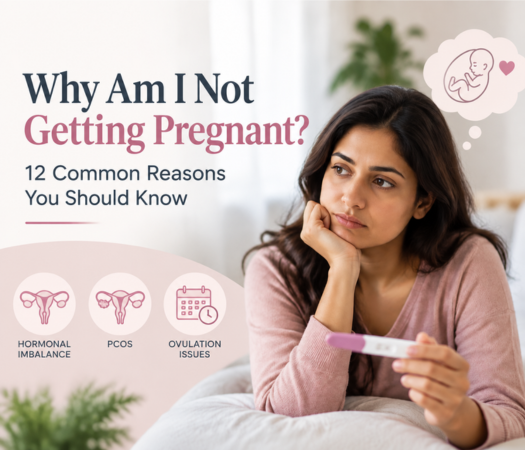
Why Am I Not Getting Pregnant? 12 Common Reasons You Should Know Home Why Am I Not Getting Pregnant? 12 Common Reasons You Should Know For many couples, starting a family is an exciting milestone. However, when pregnancy does not happen as expected, it can lead to worry, frustration, and many unanswered questions. If you have been asking yourself, why am I not getting pregnant, you are not alone. Fertility challenges affect many couples, and in many cases, the underlying cause can be identified and treated with the right medical care. Pregnancy depends on several factors, including healthy ovulation, good sperm quality, open fallopian tubes, and proper implantation. A problem in any of these areas may make conception more difficult. At Dr. Sabia Mangat clinic, women and couples receive comprehensive fertility evaluation, advanced diagnostic testing, and personalised treatment plans to help them achieve their dream of parenthood. How Long Does It Normally Take to Get Pregnant? Before worrying about fertility, it is important to understand that pregnancy does not always happen immediately. Most healthy couples conceive within 6 to 12 months of regular, unprotected intercourse. However, age, lifestyle, and medical conditions can affect fertility. If you have been wondering why am I not getting pregnant, doctors generally recommend seeking a fertility evaluation. 12 Common Reasons Why You Are Not Getting Pregnant 1. Irregular Ovulation – Ovulation is essential for pregnancy. If your ovaries do not release an egg regularly, conception becomes difficult. Conditions such as PCOS, thyroid disorders, and hormonal imbalances can interfere with ovulation and are common causes of not getting pregnant. 2. Age-Related Decline in Fertility – Female fertility naturally declines with age, especially after 35 years. As women grow older, both the number and quality of eggs decrease, making pregnancy more challenging. 3. Blocked Fallopian Tubes – The fallopian tubes allow the sperm and egg to meet. If one or both tubes are blocked due to infection, previous surgery, or pelvic disease, fertilisation may not occur. 4. Endometriosis – Endometriosis occurs when tissue similar to the uterine lining grows outside the uterus. This condition may affect the ovaries, fallopian tubes, and pelvic organs, reducing fertility in some women. 5. Poor Egg Quality – Healthy eggs are necessary for successful fertilisation and embryo development. Declining egg quality due to age or other medical factors may be a reason for not getting pregnant when everything is normal, especially if routine fertility tests appear reassuring. 6. Male Fertility Problems – Infertility is not only a female issue. Low sperm count, poor sperm movement, abnormal sperm shape, or hormonal problems in men can significantly reduce the chances of pregnancy. 7. Hormonal Imbalances – Hormones regulate ovulation, implantation, and pregnancy. Problems involving thyroid hormones, prolactin, insulin, or reproductive hormones may explain why your are not conceiving despite regular attempts. 8. Uterine Problems – Certain uterine conditions may interfere with implantation, including: Fibroids Endometrial polyps Congenital uterine abnormalities Scar tissue These conditions can often be identified through ultrasound or hysteroscopy. 9. Lifestyle Factors – Daily habits play an important role in reproductive health. Some common causes of not getting pregnant include: Smoking Excess alcohol Poor nutrition Obesity Lack of exercise Poor sleep habits Making healthy lifestyle changes may improve fertility for many couples. 10. High Stress Levels – Although stress alone does not usually cause infertility, long-term stress may affect hormonal balance and ovulation. 11. Unexplained Infertility – Sometimes fertility investigations appear completely normal, yet pregnancy does not occur. This may be the reason for not getting pregnant when everything is normal. In such cases, specialised fertility testing and advanced treatment options may be recommended. 12. Timing of Intercourse – Pregnancy is most likely when intercourse occurs during the fertile window around ovulation. Incorrect timing is one of the simpler reasons for not getting pregnant, particularly among couples with otherwise normal fertility. When Should You See a Fertility Specialist? If you continue asking why am I not getting pregnant, it may be time to consult a fertility expert. Seek medical advice if: You have been trying for over one year (or six months if over 35). Your menstrual cycles are irregular. You have experienced recurrent miscarriages. You have known PCOS, endometriosis, or thyroid disease. Your partner has known fertility concerns. Early diagnosis often allows for more treatment options and better outcomes. Why Choose Dr. Sabia Mangat? Choosing the right fertility specialist can make a significant difference in your journey toward parenthood. Dr. Sabia Mangat is an experienced Reproductive Medicine and IVF specialist who provides compassionate, evidence-based fertility care. Her clinic offers: Comprehensive fertility evaluation Advanced reproductive diagnostics Personalised fertility treatment plans Ovulation induction IUI and IVF services Patient-centred counselling and support The focus is on identifying the exact cause of infertility and helping couples achieve the best possible outcome. FAQs Why am I not getting pregnant even after trying for months? Pregnancy may be delayed due to ovulation disorders, male infertility, age, blocked fallopian tubes, hormonal imbalance, lifestyle factors, or unexplained infertility. What are the most common reasons for not getting pregnant? Common causes include irregular ovulation, PCOS, endometriosis, poor sperm quality, blocked fallopian tubes, hormonal disorders, age-related fertility decline, and unhealthy lifestyle habits. Can I have fertility problems even if my periods are regular? Yes. Regular periods do not always guarantee normal ovulation or fertility. Other reproductive issues may still affect conception. Why am I not conceiving when all my test results are normal? Some couples are diagnosed with unexplained infertility, where standard investigations appear normal despite difficulty conceiving. Further evaluation and fertility treatment may help. How long should I try before seeing a fertility specialist? Women under 35 should seek evaluation after one year of trying, while women over 35 should consult a fertility specialist after six months. Can stress make it harder to get pregnant? Chronic stress may affect hormonal balance and ovulation, although it is usually one of several contributing factors rather than the sole cause. Does age affect the chances of getting pregnant? Yes. Female fertility
PCOS vs PCOD: Are They the Same? Key Differences Explained
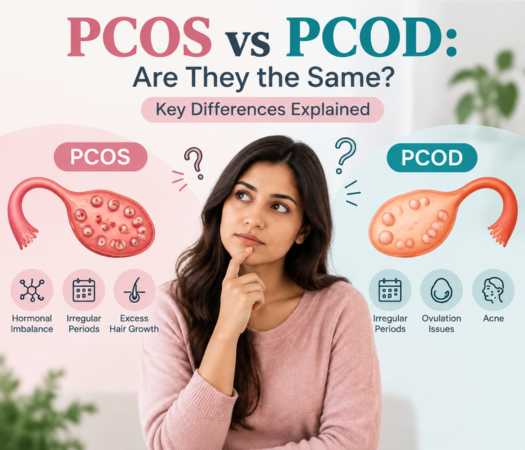
PCOS vs PCOD: Are They the Same? Key Differences Explained Home PCOS vs PCOD: Are They the Same? Key Differences Explained Irregular periods, acne, unwanted facial hair, and unexplained weight gain are becoming increasingly common concerns among women. Many of these symptoms are linked to hormonal disorders like PCOS and PCOD. Because these two conditions share several similarities, many women often wonder: are PCOS and PCOD same? Understanding the difference is important because early diagnosis and the right treatment can improve reproductive health, hormone balance, and overall well-being. If you’ve ever searched PCOD vs PCOS, this guide will help you understand both conditions in simple terms. At Dr. Sabia Mangat’s clinic, women receive personalised evaluation, advanced diagnostic testing, and evidence-based treatment plans for hormonal disorders, fertility concerns, and reproductive health. What is PCOD? Polycystic Ovarian Disease (PCOD) is a condition in which the ovaries produce immature or partially mature eggs. These eggs may develop into small cysts over time. Hormonal imbalance can interfere with normal ovulation, leading to irregular menstrual cycles and other symptoms. PCOD is generally considered a manageable condition, and many women respond well to lifestyle changes and medical treatment. What is PCOS? Polycystic Ovary Syndrome (PCOS) is a hormonal and metabolic disorder that affects ovulation, hormone levels, and overall reproductive health. Women with PCOS often have higher levels of male hormones (androgens), which can lead to irregular ovulation and various physical symptoms. Unlike PCOD, PCOS may also increase the risk of long-term health conditions such as diabetes, high blood pressure, and metabolic syndrome. Are PCOS and PCOD Same? Many women ask this question. The answer is no. Although both conditions affect the ovaries and may cause similar symptoms, they are not identical. PCOD is primarily an ovarian condition, while PCOS is a more complex endocrine disorder involving multiple body systems. Knowing whether PCOS and PCOD same helps avoid confusion and encourages women to seek proper medical evaluation rather than relying on assumptions. PCOD or PCOS Symptoms Many PCOD or PCOS symptoms overlap, making diagnosis difficult without proper medical evaluation. Common symptoms include: Irregular or missed periods Acne and oily skin Weight gain Difficulty losing weight Excess facial or body hair Hair thinning or hair loss Darkened skin around the neck or underarms Difficulty conceiving Mood changes Because symptoms can vary from one woman to another, consulting an experienced gynaecologist is essential for accurate diagnosis. PCOD vs PCOS: Key Differences When comparing PCOD vs PCOS, several important differences should be understood. PCOD Ovaries produce immature eggs Ovulation may be delayed Usually responds well to lifestyle changes Less likely to cause severe metabolic problems Pregnancy is often possible naturally PCOS Hormonal disorder affecting ovulation Ovulation may stop completely Often requires long-term medical management Associated with insulin resistance and metabolic disorders Fertility challenges are more common Understanding what is the difference between PCOS and PCOD helps women receive the most appropriate treatment based on their individual condition. What Causes PCOS and PCOD? Although the exact causes are not fully understood, several factors may contribute. Common Risk Factors Family history Hormonal imbalance Insulin resistance Obesity Sedentary lifestyle Poor dietary habits Chronic stress Maintaining a healthy lifestyle may help reduce symptoms and improve hormonal balance. How to Know if You Have PCOS or PCOD One of the most asked questions by women is how do you know if you have PCOS or PCOD. Since symptoms alone cannot confirm the diagnosis, doctors usually recommend a combination of: Medical history evaluation Physical examination Hormonal blood tests Pelvic ultrasound Blood sugar and insulin assessment Thyroid function tests when required If you are wondering how to know if you have PCOS or PCOD, early consultation with a fertility and reproductive medicine specialist is the best step. Can PCOS or PCOD Affect Fertility? Both conditions can interfere with ovulation, making pregnancy more difficult for some women. Women with PCOD often continue to ovulate, although less regularly, while women with PCOS may experience infrequent or absent ovulation. The good news is that many women with both conditions successfully conceive with proper medical treatment and lifestyle modifications. Dr. Sabia Mangat provides comprehensive fertility evaluation and personalised treatment for women planning pregnancy. Which is More Dangerous PCOS or PCOD? Generally, PCOS is considered the more complex condition because it affects both reproductive and metabolic health. It may increase the long-term risk of: Type 2 diabetes High blood pressure High cholesterol Sleep apnoea Endometrial problems Cardiovascular disease However, which is more dangerous PCOS or PCOD depends on each woman’s individual health, symptoms, and response to treatment. Early diagnosis and proper management significantly reduce long-term risks. Why Choose Dr. Sabia Mangat? Hormonal disorders require accurate diagnosis and personalised care. Dr. Sabia Mangat is an experienced Reproductive Medicine and IVF specialist who offers comprehensive care for women with PCOS, PCOD, infertility, and other reproductive health concerns. Her clinic provides: Detailed hormonal evaluation Advanced ultrasound assessment Fertility investigations Individualised treatment plans Lifestyle counselling Fertility treatments including IUI and IVF Compassionate patient-centred care Early treatment can help improve menstrual health, fertility, and long-term well-being. FAQs What is the difference between PCOS and PCOD? PCOD is primarily an ovarian condition involving immature eggs and hormonal imbalance, while PCOS is a more complex hormonal disorder that affects ovulation, metabolism, and overall reproductive health. Are PCOS and PCOD the same? No. Although they share similar symptoms, PCOS and PCOD are different medical conditions with different causes and long-term health implications. Which is more dangerous, PCOS or PCOD? PCOS is generally considered more serious because it is associated with metabolic disorders such as diabetes, insulin resistance, and cardiovascular risk. What are the symptoms of PCOS and PCOD? Common symptoms include irregular periods, acne, weight gain, excessive facial hair, hair thinning, difficulty conceiving, and mood changes. How do I know if I have PCOS or PCOD? A diagnosis requires medical evaluation, including hormonal blood tests, pelvic ultrasound, and a detailed assessment of symptoms and medical history. Can PCOS or PCOD cause infertility? Yes. Both conditions may
Why Does IVF Fail with Good Embryos? Causes You Should Know
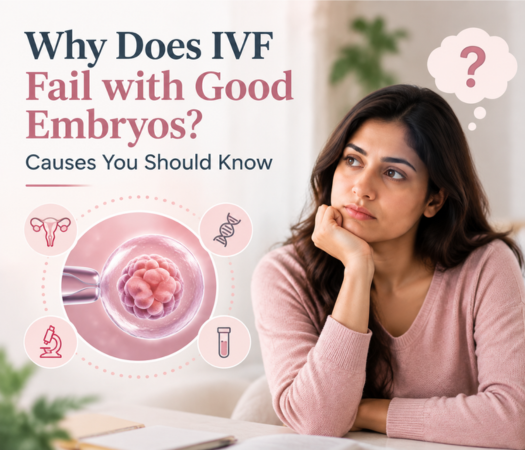
Why Does IVF Fail with Good Embryos? Causes You Should Know Home Why Does IVF Fail with Good Embryos? Causes You Should Know In Vitro Fertilisation (IVF) has helped millions of couples achieve their dream of becoming parents. Thanks to advances in reproductive medicine, many IVF cycles now produce high-quality embryos that appear healthy under laboratory evaluation. However, even when good embryos are transferred, pregnancy is not always guaranteed. This often leaves couples asking, why does IVF fail with good embryos? The answer is that successful implantation depends on many factors beyond embryo quality. The health of the uterus, hormonal balance, genetics, and several other medical conditions all play an important role. At Dr. Sabia Mangat’s clinic, a leading Reproductive Medicine and IVF centre, every patient receives a thorough fertility evaluation and personalised treatment plan to identify possible causes of implantation failure and improve the chances of a successful pregnancy. Why Does IVF Fail with Good Embryos? One of the most common questions fertility specialists hear is, why IVF fail with good embryos? Although embryo quality is one of the most important factors in IVF success, implantation is a complex biological process. Even embryos that appear excellent under the microscope may not implant successfully if other reproductive factors are affecting the outcome. Understanding why IVF fail with good embryos helps couples appreciate that IVF success depends on both embryo health and the body’s ability to support implantation. Common Reasons Why IVF Fails Many couples wonder IVF failure despite following every medical recommendation. Several medical factors may contribute to unsuccessful IVF cycles. 1. Implantation Failure – Even with a healthy embryo, implantation may not occur if the uterine lining is not receptive. This is one of the most common reasons for IVF failure despite good-quality embryos. 2. Uterine Abnormalities – Conditions such as fibroids, polyps, scar tissue, or chronic inflammation can affect embryo implantation. Proper evaluation before IVF helps identify these issues. 3. Chromosomal Abnormalities – A good-looking embryo may still have genetic abnormalities that prevent implantation or lead to early miscarriage. Genetic testing may be recommended in some cases. 4. Endometrial Receptivity Problems – If the uterine lining is too thin or not prepared during the implantation window, the embryo may fail to attach successfully. 5. Hormonal Imbalances – Hormonal issues involving progesterone, thyroid, or prolactin can interfere with implantation. Proper hormonal assessment helps improve IVF outcomes. 6. Immune System Factors – In some cases, immune-related conditions may affect implantation or early pregnancy. Additional testing may be advised based on individual medical history. Can Good Embryos Still Fail to Implant? Yes. One reason couples ask why IVF fails with good embryos is because embryo grading can sometimes be misunderstood. Embryo grading evaluates appearance, cell development, and growth patterns, but it cannot guarantee successful implantation or pregnancy. Even high-grade embryos may fail due to uterine, hormonal, or genetic factors. This is why fertility specialists evaluate both embryo quality and maternal health before every embryo transfer. What is Repeated Implantation Failure? Repeated implantation failure refers to multiple unsuccessful embryo transfers despite transferring good-quality embryos. Possible causes include: Uterine abnormalities Genetic factors Hormonal disorders Endometrial receptivity issues Immune-related conditions A comprehensive fertility evaluation is essential before planning another IVF cycle. Can IVF Success Be Improved? Although no fertility treatment offers a 100% guarantee, identifying underlying medical issues can significantly improve the chances of success. Dr. Sabia Mangat may recommend: Detailed fertility investigations Hysteroscopy when indicated Hormonal optimisation Lifestyle modifications Advanced embryo selection techniques Personalised embryo transfer timing Genetic testing in selected cases Every fertility journey is unique, and treatment plans should always be individualised. IVF Treatment in Chandigarh Couples looking for IVF treatment in Chandigarh should choose a fertility specialist with extensive experience in diagnosing complex reproductive conditions. Dr. Sabia Mangat provides advanced IVF treatment using evidence-based reproductive medicine, modern laboratory support, and compassionate patient care. Patients undergoing IVF treatment at her clinic benefit from: Comprehensive fertility assessment Individualised IVF protocols Advanced ultrasound monitoring Modern embryology laboratory Transparent counselling Continuous support throughout the fertility journey The clinic focuses on identifying the underlying cause of infertility rather than simply treating symptoms. Why Choose Dr. Sabia Mangat? Choosing the right fertility specialist is one of the most important decisions for couples facing infertility. Dr. Sabia Mangat is a trusted Reproductive Medicine and IVF specialist known for providing personalised fertility care with compassion and clinical excellence. Her clinic offers: Complete fertility investigations Advanced IVF treatment Individualised fertility plans High-quality laboratory support Ethical and transparent patient care Ongoing counselling throughout treatment Every treatment plan is tailored to the patient’s unique medical history and fertility goals FAQs Why does IVF fail with good embryos? IVF may fail despite good embryos due to uterine abnormalities, implantation issues, hormonal imbalances, chromosomal abnormalities, immune factors, or other medical conditions affecting pregnancy. Can IVF fail even with healthy embryos? Yes. Even healthy-looking embryos may not implant successfully because implantation depends on both embryo quality and the condition of the uterus. What are the main reasons for IVF implantation failure? Common causes include poor endometrial receptivity, uterine abnormalities, hormonal imbalance, chromosomal abnormalities, immune-related conditions, and lifestyle factors. Why don’t good quality embryos implant in IVF? Good-quality embryos may fail to implant if the uterine lining is not receptive, hormonal levels are not optimal, or hidden genetic abnormalities are present. Is it normal for IVF to fail with good embryos? Yes. Unfortunately, not every embryo transfer results in pregnancy, even when embryo quality appears excellent. What causes implantation failure in IVF? Implantation failure may result from uterine conditions, hormonal disorders, chromosomal abnormalities, immune factors, or problems with endometrial receptivity. Can uterine issues cause IVF failure despite good embryos? Yes. Fibroids, polyps, scar tissue, and congenital uterine abnormalities may interfere with successful implantation. Do immune problems affect IVF success with good embryos? In some patients, immune-related conditions may contribute to implantation failure, although this requires careful evaluation by a fertility specialist. Can chromosomal issues exist even in good embryos? Yes. An
Signs of Bad Egg Quality: Symptoms Every Woman Should Know
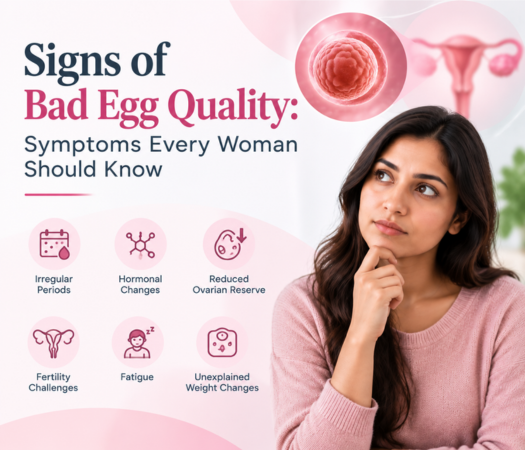
Signs of Bad Egg Quality: Symptoms Every Woman Should Know Home Signs of Bad Egg Quality: Symptoms Every Woman Should Know Female fertility depends on several factors, but one of the most important is the quality of a woman’s eggs. Healthy eggs are essential for successful fertilisation, embryo development, and a healthy pregnancy. Unfortunately, many women are unaware that egg quality can decline over time and may affect their ability to conceive. Understanding the Signs of Bad Egg Quality can help women seek timely medical advice and explore appropriate fertility treatments. While poor egg quality cannot always be identified based on symptoms alone, certain signs and medical findings may indicate an underlying issue. At Dr. Sabia Mangat’s clinic, a leading Reproductive Medicine and IVF centre, women receive comprehensive fertility evaluations, advanced diagnostic testing, and personalised treatment plans to address egg quality concerns and improve their chances of pregnancy. What Does Egg Quality Mean? Egg quality refers to the health and genetic normality of a woman’s eggs. High-quality eggs are more likely to be fertilised successfully and develop into healthy embryos. As women age, both the number and quality of eggs naturally decline. Although there are no guaranteed physical indicators, recognising the Bad Egg Quality signs can encourage early fertility assessment and intervention when needed. Common Signs of Bad Egg Quality Many women wonder whether they can recognise fertility problems before trying to conceive. While only medical evaluation can accurately assess egg quality, several warning signs may suggest the need for further testing. Signs of Bad Egg Quality may include: Difficulty getting pregnant despite regular, unprotected intercourse. Recurrent miscarriages. Irregular menstrual cycles. Age over 35 years. Poor response during fertility treatment. Doctors often identify these concerns during fertility investigations rather than through physical symptoms alone. Poor Egg Quality Symptoms Many women search for poor egg quality symptoms, hoping to identify fertility issues early. However, it is important to understand that poor egg quality often develops silently and cannot usually be detected without specialised testing. Possible indicators that may prompt further evaluation include: Difficulty conceiving Recurrent miscarriages Reduced ovarian reserve Poor response to fertility medications Age-related fertility decline Because these symptoms are not exclusive to egg quality problems, professional fertility assessment remains essential. Poor Egg Quality Causes Several medical and lifestyle factors can contribute to declining egg quality. Understanding Poor egg quality causes can help women take proactive steps toward protecting their reproductive health. Common causes include: Increasing Age – The natural ageing process is the leading cause of declining egg quality. Genetic Factors – Certain chromosomal abnormalities or inherited conditions may affect ovarian function. Endometriosis – Moderate to severe endometriosis may impact egg quality in some women. Smoking – Smoking exposes the ovaries to harmful chemicals that accelerate egg ageing. Medical Treatments – Chemotherapy, radiation therapy, and some surgeries involving the ovaries may reduce egg quality. Chronic Health Conditions – Autoimmune disorders, hormonal imbalances, and metabolic diseases may also contribute to reduced fertility. Although some factors cannot be prevented, early diagnosis allows for timely fertility planning. Symptoms of Low Egg Quality Women frequently search for Symptoms of low egg quality, but there are no specific physical symptoms that directly confirm egg quality problems. Instead, fertility specialists rely on diagnostic tests such as: Anti-Müllerian Hormone (AMH) testing Follicle-Stimulating Hormone (FSH) levels Antral follicle count (AFC) Ultrasound examination Genetic testing when appropriate These investigations provide a clearer picture of ovarian reserve and reproductive potential. How is Egg Quality Diagnosed? Recognising the Signs of Bad Egg Quality is only the first step. Proper diagnosis requires specialised fertility evaluation. At Dr. Sabia Mangat’s clinic, comprehensive fertility assessments may include: Detailed medical history Hormonal blood tests Pelvic ultrasound Ovarian reserve assessment Lifestyle evaluation This personalised approach helps identify the underlying cause of infertility and supports informed treatment decisions. Can Egg Quality Be Improved? Although age-related decline cannot be reversed, certain lifestyle changes may support overall reproductive health. Women are often advised to: Maintain a healthy body weight Eat a balanced, nutrient-rich diet Exercise regularly Avoid smoking and excessive alcohol Manage stress Follow medical advice regarding supplements when appropriate Dr. Sabia Mangat provides personalised fertility guidance based on each patient’s medical history and reproductive goals. Fertility Treatments for Poor Egg Quality Depending on individual circumstances, fertility treatment options may include: Ovulation induction Intrauterine Insemination (IUI) In Vitro Fertilisation (IVF) Minimal stimulation IVF Advanced embryo selection techniques Donor egg programmes in selected cases The most appropriate treatment depends on the woman’s age, ovarian reserve, medical history, and fertility diagnosis. Why Choose Dr. Sabia Mangat for Fertility Care? Choosing an experienced fertility specialist can make a significant difference in the fertility journey. Dr. Sabia Mangat is a highly experienced Reproductive Medicine and IVF specialist who provides compassionate, evidence-based fertility care. Her clinic offers: Comprehensive fertility evaluations Advanced reproductive diagnostics Individualised treatment plans Modern IVF laboratory support Transparent patient counselling Personalised care throughout the fertility journey Whether you are planning pregnancy or facing fertility challenges, early consultation can improve your understanding of reproductive health and available treatment options. FAQs What are the signs of poor egg quality in women? Common indicators include difficulty conceiving, recurrent miscarriages, age-related fertility decline, poor response during fertility treatment, and reduced ovarian reserve identified through testing. How do you know if you have poor egg quality? Egg quality cannot usually be determined through symptoms alone. Blood tests, ultrasound scans, and fertility evaluations are needed for accurate assessment. Can bad egg quality affect pregnancy chances? Yes. Poor egg quality may reduce fertilisation rates, embryo development, implantation, and the chances of achieving a healthy pregnancy. What causes low egg quality in women? Common causes include ageing, genetics, smoking, endometriosis, certain medical treatments, and chronic health conditions. Does age affect egg quality? Yes. Egg quality naturally declines with age, particularly after the age of 35. Can you get pregnant with bad egg quality? Yes. Pregnancy is still possible, although the chances may be lower depending on the severity of egg
IVF Failure: What’s Next? A Complete Guide to Your Next Steps
IVF Failure: What’s Next? A Complete Guide to Your Next Steps Home IVF Failure: What’s Next? A Complete Guide to Your Next Steps IVF Failure: What’s Next? Experiencing an IVF failure can be deeply overwhelming and you are not alone in it. But it’s important to remember that IVF failure is not the end of your fertility journey. Many couples need more than one IVF cycle to conceive. Understanding IVF failure & what next can make your future attempt stronger, more informed, and significantly more successful. This guide will walk you through the next steps after a failed IVF. It will tell you about the evaluations you may need, why IVF fails, and how you can emotionally and medically prepare for your next cycle. View this post on Instagram A post shared by Dr. Sabia Mangat (@official_dr.sabiamangat) Why IVF May Fail One thing to note here is that even with advanced technology and expert care, IVF can fail for several reasons. Understanding the reasons why IVF failed can help you make more informed decisions moving forward: 1. Embryo Quality Issues Poor embryo development is one of the most common reasons IVF does not succeed. Many embryos carry genetic abnormalities that prevent implantation. 3. Implantation Problems Even a healthy embryo may not implant properly due to Thin or unreceptive endometrium, Undiagnosed uterine abnormalities, Immunological factors. 5. Lifestyle Factors Smoking, excessive alcohol, obesity, stress, or poor sleep can reduce IVF success. 2. Poor Ovarian Response Sometimes the ovaries don’t produce enough mature eggs, affecting fertilization and embryo formation. 4. Sperm Quality Issues Abnormal sperm DNA or poor motility can affect fertilization and embryo quality. 6. Unknown Factors Sometimes IVF failure occurs despite everything appearing normal. This is known as unexplained implantation failure. What Evaluations to Do After IVF Failure Before deciding what next after IVF failure, your fertility specialist may recommend certain tests to understand what happened and how the next cycle can be improved. 1. Detailed Cycle Review An in-depth assessment of: Follicle growth Egg quality Fertilization rate Embryo development Implantation stage 2. Hormone Testing Checking AMH, FSH, LH, progesterone, thyroid profile, and prolactin levels. 3. Uterine Evaluation Tests may include: Hysteroscopy Pelvic ultrasound Sonohysterogram To look for fibroids, polyps, septum, or lining issues. 4. Genetic Testing Options include: PGT-A to detect chromosomal issues in embryos Karyotyping for both partners 5. Sperm DNA Fragmentation Test To identify deeper sperm issues not visible in a regular semen analysis. 6. Additional Immunological Tests For chronic endometritis or autoimmune issues that may affect implantation. Emotional Support After IVF Failure An IVF failure is not only physically exhausting but also emotionally draining. It is completely normal to feel: Frustration Sadness Anxiety Hopelessness Talking to a counselor, joining a support group can help. We strongly recommend speaking openly with your doctor can significantly help in healing and rebuilding hope for your next cycle. Treatment Options for the Next IVF Cycle Once you understand what is the next step if IVF fails, you can take your next attempt with a stronger approach: 1. Personalized IVF Protocol When an IVF cycle fails, it doesn’t always mean something is wrong, but it often means the previous approach needs fine-tuning. A personalised IVF protocol means your doctor will redesign the entire stimulation plan based on how your body responded earlier. Your doctor may adjust: Medication doses Stimulation protocol Trigger injections 2. Improving Egg Quality Egg quality plays a major role in embryo development and implantation. After a failed cycle, your doctor may recommend steps to enhance egg quality before your next attempt. It can be advised to use supplements, lifestyle changes, or antioxidant therapies. 3. Advanced Embryo Screening (PGT-A) PGT-A (Preimplantation Genetic Testing for Aneuploidies) analyzes embryos to check if they have the correct number of chromosomes. PGT-A helps identify embryos with a healthy chromosomal makeup, increasing the chances of implantation. 4. ERA (Endometrial Receptivity Analysis) The ERA test checks whether your uterine lining is ready for implantation at the exact time an embryo is usually transferred. The ERA test uses a small sample of your endometrial tissue to identify your personal optimal implantation window. 5. Donor Options In some cases, especially after repeated failures, the issue may be related to severe egg or sperm quality problems that cannot be overcome with medications. Choosing donor options can significantly improve success rates because donor gametes come from young, healthy individuals with excellent fertility parameters. 6. Addressing Uterine Issues The uterus plays a crucial role in implantation. Even healthy embryos can’t implant if the uterine environment isn’t optimal. Correcting issues like fibroids, polyps, or endometrial infections before the next transfer can help create a healthy, receptive uterine environment for the embryo. Steps You Can Take After a Failed IVF Cycle Maintain healthy BMI Stop smoking & reduce alcohol Eat balanced, antioxidant-rich meals Manage stress (counselling / yoga / mindfulness) Sleep 7–8 hours daily Regular mild exercise These lifestyle steps can improve egg & sperm quality. How Soon Can You Try Again After IVF Failure? While each case is unique, most couples can start their next cycle after: 1 to 2 menstrual cycles. This allows the body to recover Completing the recommended tests and evaluations Your doctor will guide you depending on your medical and emotional readiness. FAQs Is it common for IVF to fail? Yes. IVF success depends on age, egg/sperm quality, embryo health, lifestyle, and other factors. Many couples require more than one cycle to conceive. What should I do after failed IVF? Consult your fertility specialist to understand the cycle review, tests needed, and the next steps after failed IVF before you try again. What are the main reasons for IVF failure? Embryo abnormalities, poor egg or sperm quality, uterine issues, implantation failure, and lifestyle factors are common reasons why IVF failed. How long after a failed IVF can you try again? Usually after 1–2 menstrual cycles, depending on your physical recovery and the results of any tests recommended after the failed cycle. What are the next
What Is the Best Age for IVF Treatment?
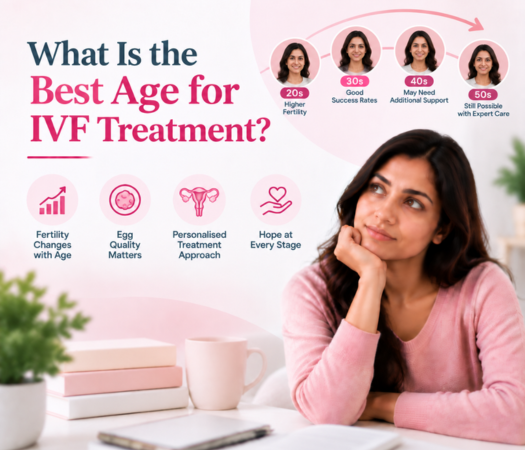
What Is the Best Age for IVF Treatment? Home What Is the Best Age for IVF Treatment? What Is the Best Age for IVF Treatment? The decision to start a family is something deeply personal. It’s often influenced by career aspirations, personal relationships, and health conditions. Thanks to progress in assisted reproductive technologies such as In Vitro Fertilisation (IVF), numerous individuals and couples are considering these methods to achieve their parenting dreams. A key question that often comes up in this process is: What is the best age for IVF treatment? At Dr. Sabia Mangat’s fertility clinic in Chandigarh, we understand that timing can be everything. This detailed guide is designed to help you understand the relationship between age and IVF, regardless of whether you are in your late 20s or early 40s. It covers how age affects your chances, the scientific insights, and the options available to you. Why Age Matters in IVF Age is a key factor in fertility, both naturally and with IVF. As women get older, the quantity and quality of their eggs decrease. This reduction impacts: Egg Quality: Older eggs are more likely to have chromosomal issues. Embryo Implantation: The uterine lining becomes less welcoming as women age. Miscarriage Rates: The likelihood of miscarriage rises with the mother’s age. IVF Success Rate: The overall probability of achieving a successful pregnancy diminishes with age. Knowing the best age for IVF treatment can help you make informed and realistic decisions about family planning. What Is the Best Age for IVF Treatment? Experts believe that the best age for IVF treatment is from 25 to 35 years. In this time frame: Ovarian Reserve: More viable eggs available. Egg Quality: Best quality for fertilisation. Uterine Health: Improved receptivity for embryo implantation. Hormonal Balance: More stable hormonal conditions. Women in their 20s and early 30s usually respond positively to ovarian stimulation and tend to have a greater number of healthy eggs collected during the IVF process. This greatly enhances the likelihood of successful fertilisation and implantation. IVF Success Rate by Age: Age Group IVF Success Rate (per cycle with own eggs) <35 50% to 60% 35–37 45% to 55% 38–40 35% to 45% 41–42 10% to 20% >43 5% or lower This data shows how the IVF success rate by age declines gradually after 35 and sharply after 40. Age Limit for IVF with Own Eggs The age limit for IVF with own eggs differs by country and clinic. In India, many fertility clinics recommend that women under 45 pursue IVF with their own eggs. Nevertheless, the success rates decrease notably after the age of 38. Women over 40 might be advised to look into using donor eggs for better success rates. Maximum Age for IVF in India According to the National ART Registry of India (NARI), the legal age limit to undergo IVF is 50 years for women and 55 years for men. However, most ethical clinics, including ours, recommend IVF with own eggs up to age 42–45 only. After this age, the quality of eggs starts to decline drastically. What Is the IVF Age Limit India Punishment? Many individuals look for information on the IVF age limit India punishment, but there are no legal consequences for attempting IVF beyond a specific age. Nonetheless, clinics are advised against offering IVF to women over 50 using their own eggs because of health and ethical issues. The ICMR (Indian Council of Medical Research) guidelines aim to safeguard both the mother and the child. Breaching these age guidelines could lead to the clinic losing its license or registration. IVF After 35 – Is It Still Possible? Yes, IVF after 35 is feasible and becoming more common. Many women today successfully conceive in their late 30s and early 40s with medical help. However, it’s crucial to know: Fewer Eggs Retrieved: The number of eggs declines with age. Higher Risk of Chromosomal Abnormalities: Greater chances of genetic problems. Increased Miscarriage Rate: More likelihood of losing a pregnancy. To improve results, doctors might suggest genetic testing (PGT-A), embryo freezing, or using donor eggs based on your situation. When Is the Best Time to Get IVF? From a medical point of view, the best time to get IVF is when: You are under 35. Your AMH and FSH levels are normal. You’ve been trying to conceive for over a year without success. You have issues like PCOS, endometriosis, or unexplained infertility. Starting early gives you the best chance, both emotionally and physically. Understanding Ovarian Reserve and Its Impact on IVF Success A woman’s ovarian reserve indicates the number and quality of her remaining eggs. As women get older, these aspects decrease, impacting fertility. By the age of 30, a woman usually has around 12% of her ovarian reserve, which drops to about 3% by age 40. To evaluate ovarian reserve, fertility experts often check Anti-Müllerian Hormone (AMH) levels and perform antral follicle counts using ultrasound. AMH levels give information about the remaining egg supply, aiding in predicting how a woman may respond to ovarian stimulation during IVF. However, it’s important to understand that while AMH is a helpful indicator, it doesn’t ensure IVF success, as other factors such as egg quality and uterine health are also very important. The Role of Male Age in IVF Outcomes Although there is a strong focus on the age of women in fertility talks, the age of the male partner also plays a crucial role in the success of IVF. As men get older, the quality of their sperm can deteriorate, resulting in higher DNA fragmentation, which can impact embryo growth and implantation success rates. Studies indicate that men over 40 may see a drop in sperm motility and an increase in sperm DNA fragmentation, which could lower the likelihood of successful fertilisation. Thus, assessing male fertility factors is an essential part of the IVF process, particularly when the female partner is older. Leveraging Advanced Technologies to Improve IVF Success Rates Improvements in reproductive technology
The Process for Fertility Preservation: A Revolution in Reproductive Choice
The Process for Fertility Preservation Home The Process for Fertility Preservation The Process for Fertility Preservation: A Revolution in Reproductive Choice The decision to start a family is something deeply personal. It’s often influenced by career aspirations, personal relationships, and health conditions. Thanks to progress in assisted reproductive technologies such as In Vitro Fertilisation (IVF), numerous individuals and couples are considering these methods to achieve their parenting dreams. A key question that often comes up in this process is: What is the best age for IVF treatment? At Dr. Sabia Mangat’s fertility clinic in Chandigarh, we understand that timing can be everything. This detailed guide is designed to help you understand the relationship between age and IVF, regardless of whether you are in your late 20s or early 40s. It covers how age affects your chances, the scientific insights, and the options available to you. What is the process of fertility preservation? In the case of women, it is called Egg Freezing. Technically, it’s a sequence of hormonal stimulation, egg retrieval, and then freezing the mature eggs using a rapid-cooling technique called vitrification. Let’s walk through it. Slowly, without skipping any essential parts. Consultation First, you meet a fertility specialist. They ask about your lifestyle, your periods, your goals, and maybe even your fears. Then come the tests for starting the process for freezing eggs. It includes blood work to check your hormone levels (AMH, FSH, estradiol), and an ultrasound to count the number of follicles in your ovaries. It also helps estimate how well your body might respond to the egg freezing process. Here’s something not everyone knows: According to a study published in Human Reproduction, the number of mature eggs retrieved in a cycle varies widely, but generally, retrieving at least 10–15 mature eggs before age 35 offers a good chance of future pregnancy. Daily hormone injections For about 10–12 days, you’ll be receiving hormone shots. They’re meant to stimulate your ovaries to produce multiple eggs instead of the usual one which grows naturally in every menstrual cycle . Blood tests and ultrasounds happen every few days. This part of the process for freezing eggs requires patience. Once the follicles are ready, your doctor schedules the egg retrieval. A final injection, called the “trigger shot”, helps your eggs mature in time. Egg retrieval You will be sedated for the procedure which takes about 10-15 minutes. Using ultrasound guidance, the doctor gently inserts a needle to collect the eggs from each follicle. After the procedure is done, you will wake up a little groggy but okay. You can rest for a while, have a light meal and go home. By the next day, you’re back on your feet. Most women report mild cramping or soreness, but it passes quickly. Meanwhile, in the lab, the embryologist checks how many eggs are mature enough to freeze. Those are vitrified, frozen at lightning speed, and stored safely. That’s it. Your eggs are officially frozen.If your partner is available for example if the lady is married, retreived eggs can be fertilized with husband ‘s sperms, and resulting embryo s can be frozen. Why are women freezing their eggs? The reasons, honestly, are changing. Earlier, egg freezing was mostly done for medical reasons, before chemotherapy, pelvic radiation, or ovarian surgery. But that’s only part of the story now. Today, more women are freezing their eggs as a proactive measure. A 2022 report by The Lancet suggested a sharp rise in elective egg freezing worldwide, especially among women aged 29–38. In India too, urban clinics have reported a 50% rise in egg freezing cycles over the past 3–5 years. The shift isn’t just medical. It’s cultural. It’s economic. And maybe even emotional. Women want choice. And timing. And some breathing room. Frozen eggs cost: what should you know? The cost of the whole process for freezing eggs in India can range anywhere from ₹1.5 lakh to ₹2.5 lakh per cycle. That includes medications, monitoring, egg retrieval, and freezing. But it doesn’t always include annual storage fees, those can be ₹15,000 to ₹30,000 per year. And you may need more than one cycle to bank enough eggs. Especially if you’re over 35 or have a low ovarian reserve. So yes, egg freezing cost in India can add up. But it might also save you the cost, emotional and financial, of more complex fertility treatments later. One way to look at it: You’re not buying time. But maybe, you’re renting peace of mind. Success rates: is it worth it? According to ASRM (American Society for Reproductive Medicine), the chance of a live birth from frozen eggs depends on age at the time of freezing and the number of eggs stored. For women under 35, using 15–20 frozen eggs may offer up to a 70% chance of a future live birth. For women above 38, the success rate drops. The earlier you start the process for freezing eggs, the better your odds. But it’s not a guarantee. Just an option. A chance. Male Fertility Preservation (Semen Freezing) Semen freezing is also known as sperm cryopreservation. This is a method used to preserve male fertility for future use. It involves collecting a semen sample, evaluating its quality, and then freezing it at extremely low temperatures. This process is commonly recommended before medical treatments like chemotherapy, or for men who want to plan ahead for personal reasons. Stored sperm can later be used in fertility treatments such as IUI or IVF. FAQs How to freeze eggs woman? Start with a fertility consultation. Then comes hormone stimulation, egg retrieval, and freezing via vitrification. Is egg freezing painful? Not exactly. The injections can sting. The retrieval is done under sedation. Mild bloating or cramps may follow, but it’s manageable. How does egg freezing work? Your ovaries are stimulated to produce multiple eggs. Those eggs are retrieved, frozen, and stored for future use in IVF. What is the process of freezing eggs? It involves four stages: consultation, stimulation, retrieval, and vitrification. What