


Dr Sabia Mangat

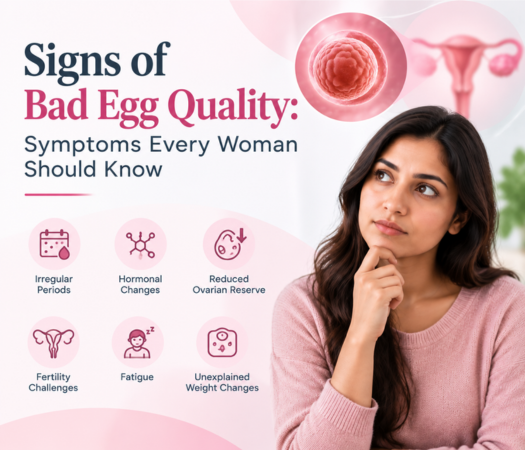
Signs of Bad Egg Quality: Symptoms Every Woman Should Know

Female fertility depends on several factors, but one of the most important is the quality of a woman’s eggs. Healthy eggs are essential for successful fertilisation, embryo development, and a healthy pregnancy. Unfortunately, many women are unaware that egg quality can decline over time and may affect their ability to conceive.

Understanding the Signs of Bad Egg Quality can help women seek timely medical advice and explore appropriate fertility treatments. While poor egg quality cannot always be identified based on symptoms alone, certain signs and medical findings may indicate an underlying issue.

At Dr. Sabia Mangat’s clinic, a leading Reproductive Medicine and IVF centre, women receive comprehensive fertility evaluations, advanced diagnostic testing, and personalised treatment plans to address egg quality concerns and improve their chances of pregnancy.

What Does Egg Quality Mean?

Egg quality refers to the health and genetic normality of a woman’s eggs. High-quality eggs are more likely to be fertilised successfully and develop into healthy embryos. As women age, both the number and quality of eggs naturally decline.

Although there are no guaranteed physical indicators, recognising the Bad Egg Quality signs can encourage early fertility assessment and intervention when needed.

Common Signs of Bad Egg Quality

Many women wonder whether they can recognise fertility problems before trying to conceive. While only medical evaluation can accurately assess egg quality, several warning signs may suggest the need for further testing.

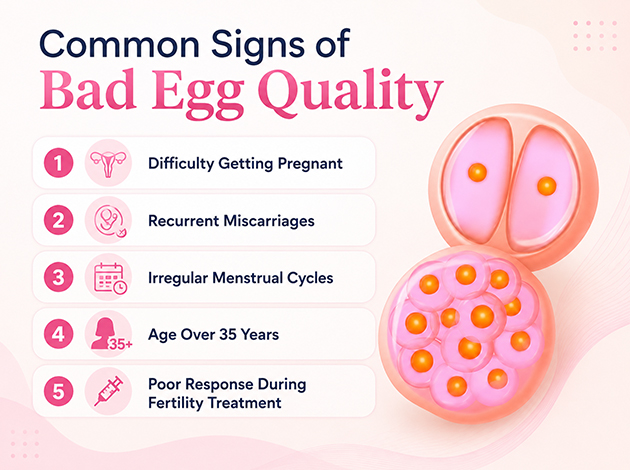
Signs of Bad Egg Quality may include:

  • Difficulty getting pregnant despite regular, unprotected intercourse.
  • Recurrent miscarriages.
  • Irregular menstrual cycles.
  • Age over 35 years.
  • Poor response during fertility treatment.


Doctors often identify these concerns during fertility investigations rather than through physical symptoms alone.

Poor Egg Quality Symptoms

Many women search for poor egg quality symptoms, hoping to identify fertility issues early. However, it is important to understand that poor egg quality often develops silently and cannot usually be detected without specialised testing.

Possible indicators that may prompt further evaluation include:

  • Difficulty conceiving
  • Recurrent miscarriages
  • Reduced ovarian reserve
  • Poor response to fertility medications
  • Age-related fertility decline


Because these symptoms are not exclusive to egg quality problems, professional fertility assessment remains essential.

Poor Egg Quality Causes

Several medical and lifestyle factors can contribute to declining egg quality. Understanding Poor egg quality causes can help women take proactive steps toward protecting their reproductive health.

Common causes include:

Increasing Age – The natural ageing process is the leading cause of declining egg quality.

Genetic Factors – Certain chromosomal abnormalities or inherited conditions may affect ovarian function.

Endometriosis – Moderate to severe endometriosis may impact egg quality in some women.

Smoking – Smoking exposes the ovaries to harmful chemicals that accelerate egg ageing.

Medical Treatments – Chemotherapy, radiation therapy, and some surgeries involving the ovaries may reduce egg quality.

Chronic Health Conditions – Autoimmune disorders, hormonal imbalances, and metabolic diseases may also contribute to reduced fertility.

Although some factors cannot be prevented, early diagnosis allows for timely fertility planning.

Symptoms of Low Egg Quality

Women frequently search for Symptoms of low egg quality, but there are no specific physical symptoms that directly confirm egg quality problems.

Instead, fertility specialists rely on diagnostic tests such as:

  • Anti-Müllerian Hormone (AMH) testing
  • Follicle-Stimulating Hormone (FSH) levels
  • Antral follicle count (AFC)
  • Ultrasound examination
  • Genetic testing when appropriate


These investigations provide a clearer picture of ovarian reserve and reproductive potential.

How is Egg Quality Diagnosed?

Recognising the Signs of Bad Egg Quality is only the first step. Proper diagnosis requires specialised fertility evaluation.

At Dr. Sabia Mangat’s clinic, comprehensive fertility assessments may include:

  • Detailed medical history
  • Hormonal blood tests
  • Pelvic ultrasound
  • Ovarian reserve assessment
  • Lifestyle evaluation


This personalised approach helps identify the underlying cause of infertility and supports informed treatment decisions.

Can Egg Quality Be Improved?

Although age-related decline cannot be reversed, certain lifestyle changes may support overall reproductive health.

Women are often advised to:

  • Maintain a healthy body weight
  • Eat a balanced, nutrient-rich diet
  • Exercise regularly
  • Avoid smoking and excessive alcohol
  • Manage stress
  • Follow medical advice regarding supplements when appropriate


Dr. Sabia Mangat provides personalised fertility guidance based on each patient’s medical history and reproductive goals.

Fertility Treatments for Poor Egg Quality

Depending on individual circumstances, fertility treatment options may include:

  • Ovulation induction
  • Intrauterine Insemination (IUI)
  • In Vitro Fertilisation (IVF)
  • Minimal stimulation IVF
  • Advanced embryo selection techniques
  • Donor egg programmes in selected cases


The most appropriate treatment depends on the woman’s age, ovarian reserve, medical history, and fertility diagnosis.

Why Choose Dr. Sabia Mangat for Fertility Care?

Choosing an experienced fertility specialist can make a significant difference in the fertility journey.

Dr. Sabia Mangat is a highly experienced Reproductive Medicine and IVF specialist who provides compassionate, evidence-based fertility care. Her clinic offers:

  • Comprehensive fertility evaluations
  • Advanced reproductive diagnostics
  • Individualised treatment plans
  • Modern IVF laboratory support
  • Transparent patient counselling
  • Personalised care throughout the fertility journey


Whether you are planning pregnancy or facing fertility challenges, early consultation can improve your understanding of reproductive health and available treatment options.

FAQs

Common indicators include difficulty conceiving, recurrent miscarriages, age-related fertility decline, poor response during fertility treatment, and reduced ovarian reserve identified through testing.

Egg quality cannot usually be determined through symptoms alone. Blood tests, ultrasound scans, and fertility evaluations are needed for accurate assessment.

Yes. Poor egg quality may reduce fertilisation rates, embryo development, implantation, and the chances of achieving a healthy pregnancy.

Common causes include ageing, genetics, smoking, endometriosis, certain medical treatments, and chronic health conditions.

Yes. Egg quality naturally declines with age, particularly after the age of 35.

Yes. Pregnancy is still possible, although the chances may be lower depending on the severity of egg quality decline and other fertility factors.

Poor egg quality may reduce embryo quality and implantation rates, which can affect IVF success. However, personalised treatment strategies can help optimise outcomes.

There are no specific physical symptoms. Fertility problems such as difficulty conceiving or recurrent miscarriages may prompt further evaluation.

Irregular periods may sometimes be associated with reduced ovarian function, but they do not necessarily indicate poor egg quality. A fertility evaluation is needed for an accurate diagnosis.

Yes. Poor egg quality can contribute to infertility by reducing the likelihood of successful fertilisation, healthy embryo development, and implantation.

Final Thoughts

Understanding the Signs of Bad Egg Quality is an important step toward protecting your reproductive health. While poor egg quality often develops without obvious physical symptoms, early fertility assessment can help identify potential concerns before they become more challenging.

At Dr. Sabia Mangat’s clinic, women receive expert evaluation, advanced fertility testing, and personalised treatment plans tailored to their unique needs. With compassionate care and modern reproductive medicine, you can make informed decisions and take confident steps toward achieving your dream of parenthood.

Recent Blogs

Signs of Bad Egg Quality: Symptoms Every Woman Should Know

Signs of Bad Egg Quality: Symptoms Every Woman Should Know Home Signs of Bad Egg Quality: Symptoms Every Woman Should Know Female fertility depends on several factors, but one of the most important is the quality of a woman’s eggs. Healthy eggs are essential for successful fertilisation, embryo development, and

Read More »

ICSI vs IVF: Which One Is Better?

What Is the Difference Between ICSI and IVF? Home What Is the Difference Between ICSI and IVF? Infertility treatments have helped millions of couples achieve their dream of parenthood. Among the most common assisted reproductive techniques are IVF and ICSI. Many couples researching fertility options often ask, what is the

Read More »

What is Minimal Stimulation IVF? Process, Benefits & Success Rate

What is Minimal Stimulation IVF? Process, Benefits & Success Rate Home What is Minimal Stimulation IVF? Process, Benefits & Success Rate For couples struggling with infertility, IVF has become one of the most effective treatment options available today. However, many patients are now looking for fertility solutions that are less

Read More »

What Is ICSI Treatment and When Is It Recommended?

What Is ICSI Treatment and When Is It Recommended? Home What Is ICSI Treatment and When Is It Recommended? Infertility can be a difficult journey for many couples, but modern reproductive treatments have made parenthood possible for thousands of families. One of the most effective assisted reproductive techniques available today

Read More »

7 Best Foods to Increase Fertility Naturally

7 Best Foods to Increase Fertility Naturally Home 7 Best Foods to Increase Fertility Naturally When couples plan to have a baby, diet plays a very important role. Eating the right food can support your body and improve your chances of pregnancy. In this article, we will talk about the

Read More »

Leave a Reply

Your email address will not be published. Required fields are marked *