
Dr Sabia Mangat

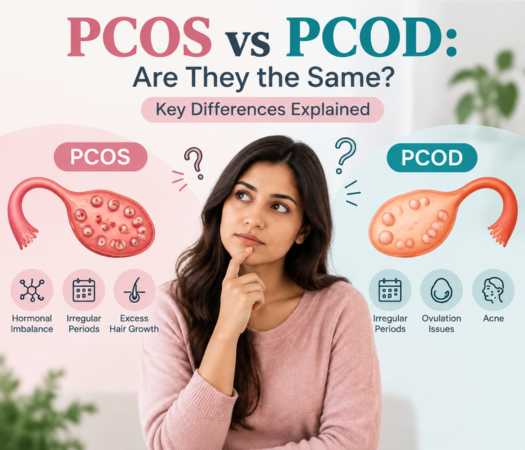
PCOS vs PCOD: Are They the Same? Key Differences Explained

Irregular periods, acne, unwanted facial hair, and unexplained weight gain are becoming increasingly common concerns among women. Many of these symptoms are linked to hormonal disorders like PCOS and PCOD. Because these two conditions share several similarities, many women often wonder: are PCOS and PCOD same?

Understanding the difference is important because early diagnosis and the right treatment can improve reproductive health, hormone balance, and overall well-being. If you’ve ever searched PCOD vs PCOS, this guide will help you understand both conditions in simple terms.

At Dr. Sabia Mangat’s clinic, women receive personalised evaluation, advanced diagnostic testing, and evidence-based treatment plans for hormonal disorders, fertility concerns, and reproductive health.

What is PCOD?

Polycystic Ovarian Disease (PCOD) is a condition in which the ovaries produce immature or partially mature eggs. These eggs may develop into small cysts over time. Hormonal imbalance can interfere with normal ovulation, leading to irregular menstrual cycles and other symptoms.

PCOD is generally considered a manageable condition, and many women respond well to lifestyle changes and medical treatment.


What is PCOS?

Polycystic Ovary Syndrome (PCOS) is a hormonal and metabolic disorder that affects ovulation, hormone levels, and overall reproductive health. Women with PCOS often have higher levels of male hormones (androgens), which can lead to irregular ovulation and various physical symptoms.

Unlike PCOD, PCOS may also increase the risk of long-term health conditions such as diabetes, high blood pressure, and metabolic syndrome.

Are PCOS and PCOD Same?

Many women ask this question. The answer is no.

Although both conditions affect the ovaries and may cause similar symptoms, they are not identical. PCOD is primarily an ovarian condition, while PCOS is a more complex endocrine disorder involving multiple body systems.

Knowing whether PCOS and PCOD same helps avoid confusion and encourages women to seek proper medical evaluation rather than relying on assumptions.

PCOD or PCOS Symptoms

Many PCOD or PCOS symptoms overlap, making diagnosis difficult without proper medical evaluation.

Common symptoms include:

  • Irregular or missed periods
  • Acne and oily skin
  • Weight gain
  • Difficulty losing weight
  • Excess facial or body hair
  • Hair thinning or hair loss
  • Darkened skin around the neck or underarms
  • Difficulty conceiving
  • Mood changes


Because symptoms can vary from one woman to another, consulting an experienced gynaecologist is essential for accurate diagnosis.

PCOD vs PCOS: Key Differences

When comparing PCOD vs PCOS, several important differences should be understood.

PCOD

  • Ovaries produce immature eggs
  • Ovulation may be delayed
  • Usually responds well to lifestyle changes
  • Less likely to cause severe metabolic problems
  • Pregnancy is often possible naturally

PCOS

  • Hormonal disorder affecting ovulation
  • Ovulation may stop completely
  • Often requires long-term medical management
  • Associated with insulin resistance and metabolic disorders
  • Fertility challenges are more common

Understanding what is the difference between PCOS and PCOD helps women receive the most appropriate treatment based on their individual condition.

What Causes PCOS and PCOD?

Although the exact causes are not fully understood, several factors may contribute.

Common Risk Factors

  • Family history
  • Hormonal imbalance
  • Insulin resistance
  • Obesity
  • Sedentary lifestyle
  • Poor dietary habits
  • Chronic stress

Maintaining a healthy lifestyle may help reduce symptoms and improve hormonal balance.

How to Know if You Have PCOS or PCOD

One of the most asked questions by women is how do you know if you have PCOS or PCOD.

Since symptoms alone cannot confirm the diagnosis, doctors usually recommend a combination of:

  • Medical history evaluation
  • Physical examination
  • Hormonal blood tests
  • Pelvic ultrasound
  • Blood sugar and insulin assessment
  • Thyroid function tests when required


If you are wondering how to know if you have PCOS or PCOD, early consultation with a fertility and reproductive medicine specialist is the best step.

Can PCOS or PCOD Affect Fertility?

Both conditions can interfere with ovulation, making pregnancy more difficult for some women.

Women with PCOD often continue to ovulate, although less regularly, while women with PCOS may experience infrequent or absent ovulation.

The good news is that many women with both conditions successfully conceive with proper medical treatment and lifestyle modifications.

Dr. Sabia Mangat provides comprehensive fertility evaluation and personalised treatment for women planning pregnancy.

Which is More Dangerous PCOS or PCOD?

Generally, PCOS is considered the more complex condition because it affects both reproductive and metabolic health. It may increase the long-term risk of:

  • Type 2 diabetes
  • High blood pressure
  • High cholesterol
  • Sleep apnoea
  • Endometrial problems
  • Cardiovascular disease

However, which is more dangerous PCOS or PCOD depends on each woman’s individual health, symptoms, and response to treatment. Early diagnosis and proper management significantly reduce long-term risks.

Why Choose Dr. Sabia Mangat?

Hormonal disorders require accurate diagnosis and personalised care.

Dr. Sabia Mangat is an experienced Reproductive Medicine and IVF specialist who offers comprehensive care for women with PCOS, PCOD, infertility, and other reproductive health concerns.

Her clinic provides:

  • Detailed hormonal evaluation
  • Advanced ultrasound assessment
  • Fertility investigations
  • Individualised treatment plans
  • Lifestyle counselling
  • Fertility treatments including IUI and IVF
  • Compassionate patient-centred care

Early treatment can help improve menstrual health, fertility, and long-term well-being.

FAQs

PCOD is primarily an ovarian condition involving immature eggs and hormonal imbalance, while PCOS is a more complex hormonal disorder that affects ovulation, metabolism, and overall reproductive health.

No. Although they share similar symptoms, PCOS and PCOD are different medical conditions with different causes and long-term health implications.

PCOS is generally considered more serious because it is associated with metabolic disorders such as diabetes, insulin resistance, and cardiovascular risk.

Common symptoms include irregular periods, acne, weight gain, excessive facial hair, hair thinning, difficulty conceiving, and mood changes.

A diagnosis requires medical evaluation, including hormonal blood tests, pelvic ultrasound, and a detailed assessment of symptoms and medical history.

Yes. Both conditions may affect ovulation and make pregnancy more challenging, but effective treatment options are available.

Yes. Many women with PCOD conceive naturally, especially with healthy lifestyle changes and appropriate medical care.

In many cases, yes. PCOS may involve long-term hormonal and metabolic complications that require ongoing medical management.

Treatment varies for each woman and may include lifestyle modifications, medications, ovulation induction, or fertility treatments depending on symptoms and reproductive goals.

There is no permanent cure for PCOS or PCOD. However, both conditions can be effectively managed with proper medical treatment, healthy lifestyle habits, and regular follow-up.

Final Thoughts

Understanding PCOD vs PCOS is essential for recognising symptoms early and receiving the right treatment. Although these conditions share many similarities, they are not the same. Knowing what is the difference between PCOS and PCOD allows women to make informed decisions about their reproductive health and fertility.

If you are experiencing irregular periods, persistent acne, unexplained weight gain, or difficulty conceiving, do not ignore these signs. Dr. Sabia Mangat provides expert evaluation, personalised treatment plans, and compassionate care to help women manage PCOS, PCOD, and related fertility concerns. With timely diagnosis and the right medical support, it is possible to improve hormonal balance, protect long-term health, and achieve your reproductive goals.

Recent Blogs

PCOS vs PCOD: Are They the Same? Key Differences Explained

PCOS vs PCOD: Are They the Same? Key Differences Explained Home PCOS vs PCOD: Are They the Same? Key Differences Explained Irregular periods, acne, unwanted facial hair, and unexplained weight gain are becoming increasingly common concerns among women. Many of these symptoms are linked to hormonal disorders like PCOS and

Read More »

Why Does IVF Fail with Good Embryos? Causes You Should Know

Why Does IVF Fail with Good Embryos? Causes You Should Know Home Why Does IVF Fail with Good Embryos? Causes You Should Know In Vitro Fertilisation (IVF) has helped millions of couples achieve their dream of becoming parents. Thanks to advances in reproductive medicine, many IVF cycles now produce high-quality

Read More »

Signs of Bad Egg Quality: Symptoms Every Woman Should Know

Signs of Bad Egg Quality: Symptoms Every Woman Should Know Home Signs of Bad Egg Quality: Symptoms Every Woman Should Know Female fertility depends on several factors, but one of the most important is the quality of a woman’s eggs. Healthy eggs are essential for successful fertilisation, embryo development, and

Read More »

ICSI vs IVF: Which One Is Better?

What Is the Difference Between ICSI and IVF? Home What Is the Difference Between ICSI and IVF? Infertility treatments have helped millions of couples achieve their dream of parenthood. Among the most common assisted reproductive techniques are IVF and ICSI. Many couples researching fertility options often ask, what is the

Read More »

What is Minimal Stimulation IVF? Process, Benefits & Success Rate

What is Minimal Stimulation IVF? Process, Benefits & Success Rate Home What is Minimal Stimulation IVF? Process, Benefits & Success Rate For couples struggling with infertility, IVF has become one of the most effective treatment options available today. However, many patients are now looking for fertility solutions that are less

Read More »

Leave a Reply

Your email address will not be published. Required fields are marked *