


Dr Sabia Mangat

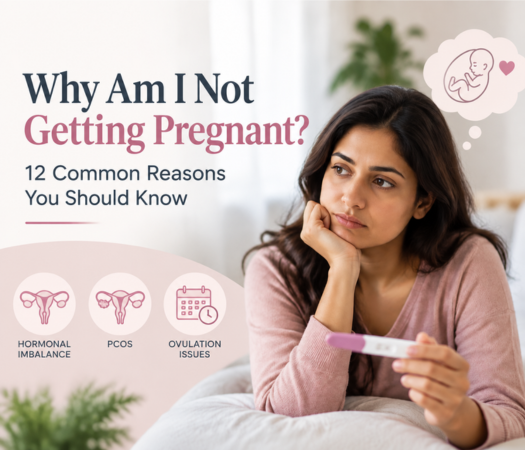
Why Am I Not Getting Pregnant? 12 Common Reasons You Should Know

Why Am I Not Getting Pregnant?

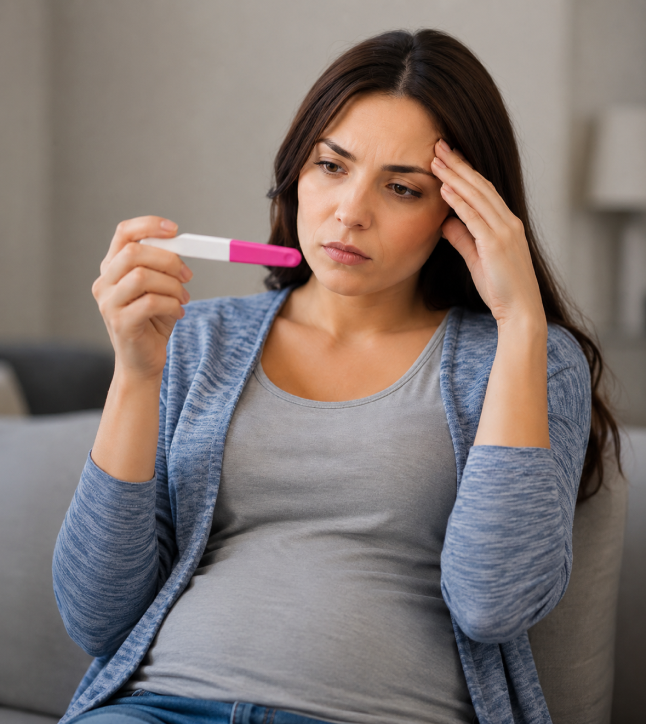
For many couples, starting a family is an exciting milestone. However, when pregnancy does not happen as expected, it can lead to worry, frustration, and many unanswered questions. If you have been asking yourself, why am I not getting pregnant, you are not alone. Fertility challenges affect many couples, and in many cases, the underlying cause can be identified and treated with the right medical care.

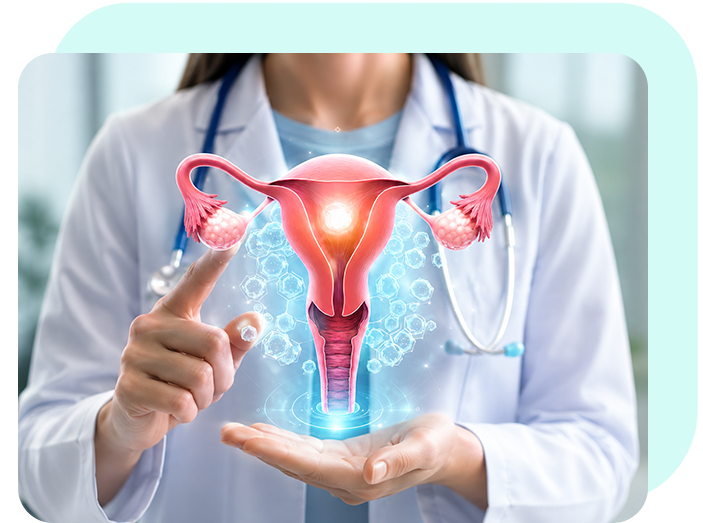
Pregnancy depends on several factors, including healthy ovulation, good sperm quality, open fallopian tubes, and proper implantation. A problem in any of these areas may make conception more difficult.

At Dr. Sabia Mangat clinic, women and couples receive comprehensive fertility evaluation, advanced diagnostic testing, and personalised treatment plans to help them achieve their dream of parenthood.

How Long Does It Normally Take to Get Pregnant?

Before worrying about fertility, it is important to understand that pregnancy does not always happen immediately.

Most healthy couples conceive within 6 to 12 months of regular, unprotected intercourse. However, age, lifestyle, and medical conditions can affect fertility.

If you have been wondering why am I not getting pregnant, doctors generally recommend seeking a fertility evaluation.

12 Common Reasons Why You Are Not Getting Pregnant

1. Irregular Ovulation – Ovulation is essential for pregnancy. If your ovaries do not release an egg regularly, conception becomes difficult.

Conditions such as PCOS, thyroid disorders, and hormonal imbalances can interfere with ovulation and are common causes of not getting pregnant.

2. Age-Related Decline in Fertility – Female fertility naturally declines with age, especially after 35 years.

As women grow older, both the number and quality of eggs decrease, making pregnancy more challenging.

3. Blocked Fallopian Tubes – The fallopian tubes allow the sperm and egg to meet. If one or both tubes are blocked due to infection, previous surgery, or pelvic disease, fertilisation may not occur.

4. Endometriosis – Endometriosis occurs when tissue similar to the uterine lining grows outside the uterus.

This condition may affect the ovaries, fallopian tubes, and pelvic organs, reducing fertility in some women.

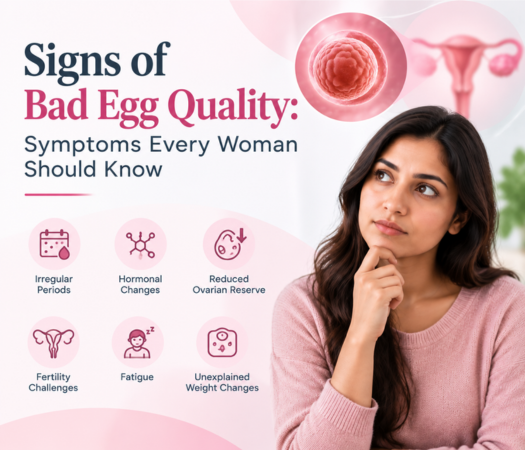
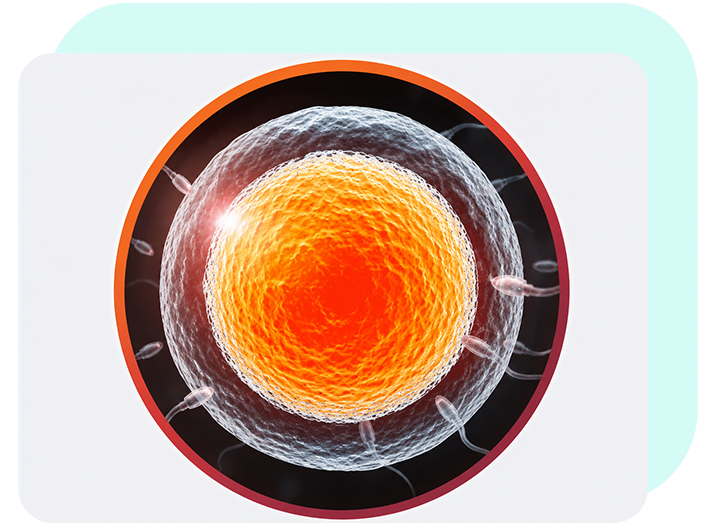
5. Poor Egg Quality – Healthy eggs are necessary for successful fertilisation and embryo development.

Declining egg quality due to age or other medical factors may be a reason for not getting pregnant when everything is normal, especially if routine fertility tests appear reassuring.

6. Male Fertility Problems – Infertility is not only a female issue.

Low sperm count, poor sperm movement, abnormal sperm shape, or hormonal problems in men can significantly reduce the chances of pregnancy.

7. Hormonal Imbalances – Hormones regulate ovulation, implantation, and pregnancy.

Problems involving thyroid hormones, prolactin, insulin, or reproductive hormones may explain why your are not conceiving despite regular attempts.

8. Uterine Problems – Certain uterine conditions may interfere with implantation, including:

  • Fibroids
  • Endometrial polyps
  • Congenital uterine abnormalities
  • Scar tissue


These conditions can often be identified through ultrasound or hysteroscopy.

9. Lifestyle Factors – Daily habits play an important role in reproductive health.

Some common causes of not getting pregnant include:

Making healthy lifestyle changes may improve fertility for many couples.

10. High Stress Levels – Although stress alone does not usually cause infertility, long-term stress may affect hormonal balance and ovulation.

11. Unexplained Infertility – Sometimes fertility investigations appear completely normal, yet pregnancy does not occur.

This may be the reason for not getting pregnant when everything is normal. In such cases, specialised fertility testing and advanced treatment options may be recommended.


12. Timing of Intercourse – Pregnancy is most likely when intercourse occurs during the fertile window around ovulation.

Incorrect timing is one of the simpler reasons for not getting pregnant, particularly among couples with otherwise normal fertility.

When Should You See a Fertility Specialist?

If you continue asking why am I not getting pregnant, it may be time to consult a fertility expert.

Seek medical advice if:

  • You have been trying for over one year (or six months if over 35).
  • Your menstrual cycles are irregular.
  • You have experienced recurrent miscarriages.
  • You have known PCOS, endometriosis, or thyroid disease.
  • Your partner has known fertility concerns.

Early diagnosis often allows for more treatment options and better outcomes.

Why Choose Dr. Sabia Mangat?

Choosing the right fertility specialist can make a significant difference in your journey toward parenthood.

Dr. Sabia Mangat is an experienced Reproductive Medicine and IVF specialist who provides compassionate, evidence-based fertility care.

Her clinic offers:

  • Comprehensive fertility evaluation
  • Advanced reproductive diagnostics
  • Personalised fertility treatment plans
  • Ovulation induction
  • IUI and IVF services
  • Patient-centred counselling and support

The focus is on identifying the exact cause of infertility and helping couples achieve the best possible outcome.

FAQs

Pregnancy may be delayed due to ovulation disorders, male infertility, age, blocked fallopian tubes, hormonal imbalance, lifestyle factors, or unexplained infertility.

Common causes include irregular ovulation, PCOS, endometriosis, poor sperm quality, blocked fallopian tubes, hormonal disorders, age-related fertility decline, and unhealthy lifestyle habits.

Yes. Regular periods do not always guarantee normal ovulation or fertility. Other reproductive issues may still affect conception.

Some couples are diagnosed with unexplained infertility, where standard investigations appear normal despite difficulty conceiving. Further evaluation and fertility treatment may help.

Women under 35 should seek evaluation after one year of trying, while women over 35 should consult a fertility specialist after six months.

Chronic stress may affect hormonal balance and ovulation, although it is usually one of several contributing factors rather than the sole cause.

Yes. Female fertility gradually declines with age, especially after 35, due to reduced egg quantity and quality.

Yes. Smoking, alcohol, obesity, poor diet, lack of exercise, and inadequate sleep can negatively affect fertility in both women and men.

Common tests include hormone testing, pelvic ultrasound, ovarian reserve assessment, fallopian tube evaluation, ovulation tracking, and semen analysis.

Treatment may include lifestyle modifications, medications, ovulation induction, IUI, IVF, or other advanced fertility treatments depending on the underlying cause.

Final Thoughts

If you have been repeatedly asking why am I not getting pregnant, remember that fertility challenges are common and, in many cases, treatable. Identifying the underlying cause early can make a significant difference in your chances of achieving a healthy pregnancy. Whether the issue is related to ovulation, sperm health, hormonal imbalance, or another reproductive condition, timely medical evaluation is the first step toward effective treatment.

At Dr. Sabia Mangat clinic, couples receive expert fertility assessment, personalised treatment plans, and compassionate support throughout their journey. With advanced reproductive care and evidence-based treatment options, you can move forward with confidence and hope on your path to parenthood.

Recent Blogs

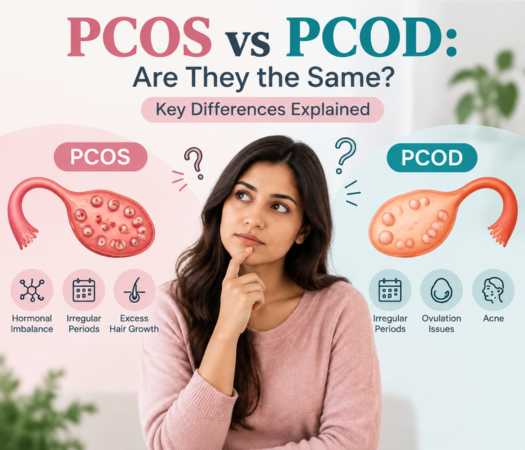
PCOS vs PCOD: Are They the Same? Key Differences Explained

PCOS vs PCOD: Are They the Same? Key Differences Explained Home PCOS vs PCOD: Are They the Same? Key Differences Explained Irregular periods, acne, unwanted facial hair, and unexplained weight gain are becoming increasingly common concerns among women. Many of these symptoms are linked to hormonal disorders like PCOS and

Read More »

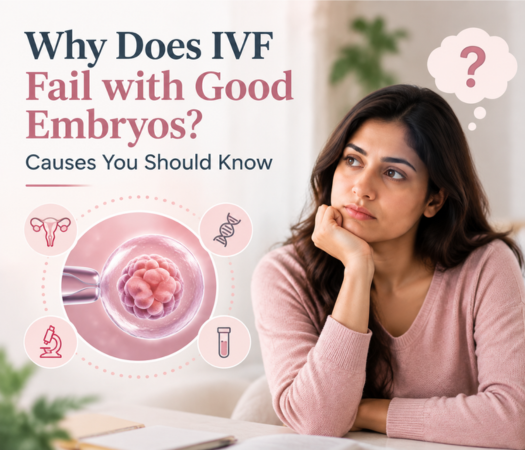
Why Does IVF Fail with Good Embryos? Causes You Should Know

Why Does IVF Fail with Good Embryos? Causes You Should Know Home Why Does IVF Fail with Good Embryos? Causes You Should Know In Vitro Fertilisation (IVF) has helped millions of couples achieve their dream of becoming parents. Thanks to advances in reproductive medicine, many IVF cycles now produce high-quality

Read More »

Signs of Bad Egg Quality: Symptoms Every Woman Should Know

Signs of Bad Egg Quality: Symptoms Every Woman Should Know Home Signs of Bad Egg Quality: Symptoms Every Woman Should Know Female fertility depends on several factors, but one of the most important is the quality of a woman’s eggs. Healthy eggs are essential for successful fertilisation, embryo development, and

Read More »

ICSI vs IVF: Which One Is Better?

What Is the Difference Between ICSI and IVF? Home What Is the Difference Between ICSI and IVF? Infertility treatments have helped millions of couples achieve their dream of parenthood. Among the most common assisted reproductive techniques are IVF and ICSI. Many couples researching fertility options often ask, what is the

Read More »

What is Minimal Stimulation IVF? Process, Benefits & Success Rate

What is Minimal Stimulation IVF? Process, Benefits & Success Rate Home What is Minimal Stimulation IVF? Process, Benefits & Success Rate For couples struggling with infertility, IVF has become one of the most effective treatment options available today. However, many patients are now looking for fertility solutions that are less

Read More »

Leave a Reply

Your email address will not be published. Required fields are marked *