





Dr Sabia Mangat

How to Increase AMH Levels Naturally: What Actually Works?

Why Am I Not Getting Pregnant?

Anti-Müllerian Hormone (AMH) is an important hormone used to assess a woman’s ovarian reserve. It is produced by small follicles in the ovaries and can give doctors an idea about the remaining egg supply. When AMH levels are low, many women become concerned about their fertility and start searching for how to increase AMH levels naturally.

It is important to understand that AMH is mainly a marker of egg quantity, not a direct measure of egg quality or a guarantee of pregnancy. Lifestyle changes may support overall reproductive health, but there is no proven natural method that can permanently restore the number of eggs in the ovaries.

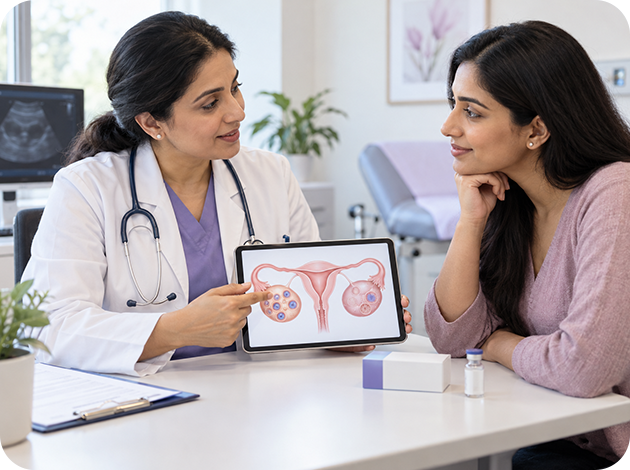
At Dr. Sabia Mangat clinic, a leading Reproductive Medicine and IVF specialist, women with low AMH receive detailed fertility assessments and personalised guidance based on their age, ovarian reserve, and pregnancy goals.

What Does a Low AMH Level Mean?

AMH levels generally reflect the number of small follicles present in the ovaries. A lower level may indicate reduced ovarian reserve. However, one AMH result should not be considered on its own when assessing fertility.

Age, menstrual history, ovarian ultrasound, and other fertility tests also provide important information.

Before considering how to increase AMH levels, it is important to understand why the level is low and what it means for your individual fertility.

Low AMH does not automatically mean that pregnancy is impossible. Women with low AMH can still conceive, depending on their age and other fertility factors.

Can AMH Levels Be Increased Naturally?

A common question is can AMH levels be increased through food, exercise, or supplements?

Currently, there is no strong scientific evidence showing that a particular food, diet, or lifestyle change can permanently increase the number of eggs a woman has. The ovarian reserve naturally declines with age, and this process cannot be reversed.

However, healthy lifestyle habits can support overall ovarian and reproductive health. They may also help women prepare their bodies for conception and fertility treatment.

So, when considering how to increase AMH levels, the focus should be on protecting existing reproductive health rather than expecting a specific food or supplement to create new eggs.

1. Maintain a Healthy Weight

Both being underweight and being overweight can affect hormonal and reproductive health.

Maintaining a healthy weight through balanced nutrition and regular physical activity can support normal hormonal function. If you are trying to understand how to improve AMH level, maintaining a healthy body weight is one practical step.

However, weight management should be gradual and based on professional advice, especially when planning pregnancy.

How to Increase AMH Levels Naturally

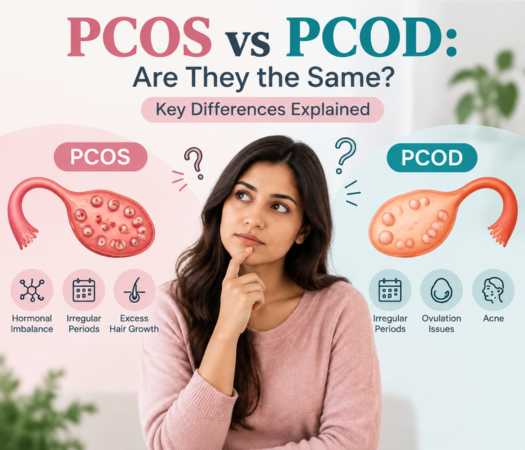
When comparing PCOD vs PCOS, several important differences should be understood.

2. Eat a Balanced and Nutritious Diet

There is no specific food that can guarantee an increase in AMH. However, a balanced diet provides nutrients that support general health and normal reproductive function.

Include:

  • Fresh fruits and vegetables
  • Whole grains
  • Pulses and legumes
  • Nuts and seeds
  • Eggs and lean protein
  • Healthy fats
  • Adequate water


Foods containing antioxidants, such as berries, leafy vegetables, nuts, and colourful vegetables, can be part of a healthy fertility-focused diet.

If you are asking can we increase AMH level through food alone, it is important to have realistic expectations. Good nutrition supports health but cannot replace medical fertility care.

3. Avoid Smoking and Limit Alcohol

Smoking can negatively affect ovarian function and reproductive health. It is therefore advisable to avoid smoking when trying to conceive.

Excessive alcohol consumption may also affect overall reproductive health. Women planning pregnancy should discuss alcohol use with their doctor.

These changes may not directly raise AMH, but they can support a healthier environment for reproductive function.

4. Exercise Regularly

Regular moderate exercise can improve cardiovascular health, metabolic health, sleep, and overall well-being.

Activities such as:

  • Walking
  • Swimming
  • Cycling
  • Yoga
  • Strength training


However, excessive high-intensity exercise combined with inadequate nutrition may sometimes affect menstrual and hormonal function. Exercise should therefore be balanced and appropriate for your health.

5. Manage Stress

Long-term stress can affect overall physical and emotional health. While stress is not considered a direct cause of low AMH in most women, managing it can make the fertility journey easier.

Try activities such as:

  • Meditation
  • Deep breathing
  • Yoga
  • Walking
  • Spending time with family and friends
  • Speaking with a counsellor when needed

Stress management is not a guaranteed answer to how to increase AMH levels, but it can support overall well-being during fertility treatment.

6. Get Enough Sleep

Poor sleep can affect metabolism, mood, and hormonal health. Aim for a consistent sleep schedule and adequate rest each night.

Simple habits such as limiting screen time before bed, keeping a regular bedtime, and creating a comfortable sleeping environment can help improve sleep quality.


7. Discuss Supplements With a Fertility Specialist

Several supplements are promoted online for ovarian health and AMH. However, not every supplement is suitable for every woman, and scientific evidence for increasing AMH is limited.

Some women may be advised to take specific nutrients based on their medical history or fertility treatment plan.

Can Low AMH Levels Be Improved With Medical Treatment?

Many women ask, is it possible to increase AMH level after receiving a low result?

Medical treatment does not generally restore the ovarian reserve or create a new supply of eggs. However, fertility specialists can focus on helping women make the best use of the eggs that remain.

Depending on age and fertility goals, treatment may include:

At Dr. Sabia Mangat’s clinic, treatment recommendations are based on a complete fertility evaluation rather than AMH alone.

Does Low AMH Mean You Cannot Get Pregnant?

No. Low AMH does not mean that pregnancy is impossible.

AMH mainly provides information about ovarian reserve. It does not directly measure egg quality. Age remains one of the most important factors influencing egg quality and natural fertility.

Therefore, women with low AMH should not delay fertility consultation if they are planning pregnancy.

If you are wondering can AMH levels be increased, it is equally important to ask what your current AMH means for your individual fertility plan.

Can AMH Levels Change?

AMH levels can show some variation between tests. Differences may occur because of laboratory methods, hormonal changes, medications, and other factors.

A small change in AMH does not necessarily mean that ovarian reserve has truly increased or decreased.

For this reason, doctors consider AMH alongside antral follicle count, age, menstrual history, and other fertility investigations.

This is another reason why searching for how to improve AMH level should not replace professional fertility evaluation.

Why Choose Dr. Sabia Mangat?

A low AMH result can create unnecessary fear if it is viewed without considering other fertility factors.

Dr. Sabia Mangat is an experienced Reproductive Medicine and IVF specialist who provides personalised fertility evaluation and treatment. Her clinic focuses on understanding each woman’s reproductive health rather than relying on one test result.

Patients can receive:

  • Ovarian reserve assessment
  • Hormonal evaluation
  • Fertility counselling
  • Personalised IVF planning
  • IUI and IVF treatment
  • Guidance on lifestyle and reproductive health


The goal is to help each patient make informed decisions about fertility and pregnancy planning.

FAQs

There is no proven natural method that can permanently increase ovarian reserve or create new eggs. Healthy lifestyle habits can support overall reproductive health.

A balanced diet, regular moderate exercise, healthy weight, good sleep, avoiding smoking, and managing stress can support overall health, but they cannot guarantee an increase in AMH.

There is no specific food proven to increase AMH. A balanced diet containing vegetables, fruits, whole grains, legumes, nuts, healthy fats, and quality protein supports general health.

Lifestyle changes may support reproductive health, but there is not enough evidence to say that they can permanently increase AMH or ovarian reserve.

Moderate exercise supports overall health and may be beneficial for reproductive well-being. Excessive exercise, however, should be avoided without proper nutrition and medical guidance.

Low AMH itself cannot usually be reversed naturally. However, healthy habits can support general reproductive health while a fertility specialist evaluates your treatment options.

There is no established medicine that can reliably restore ovarian reserve and permanently increase AMH. Treatment is usually focused on fertility goals and making the best use of the available eggs.

Low AMH may indicate reduced ovarian reserve, but it does not mean that pregnancy is impossible. Age, egg quality, ovulation, sperm health, and other factors also affect fertility.

AMH may show changes after certain treatments or between tests, but an increase does not necessarily mean that the number of eggs has increased. Your specialist should interpret the result in context.

Not necessarily. AMH mainly reflects ovarian reserve and does not directly measure egg quality. Improving fertility involves considering several factors, including age, ovulation, egg quality, sperm health, and the uterus.

Final Thoughts

If you are searching for how to increase AMH levels, it is important to separate evidence-based fertility advice from claims made about quick fixes or miracle supplements. A healthy lifestyle can support your overall reproductive health, but it cannot restore the natural ovarian reserve.

A low AMH result should be viewed as one part of your fertility assessment rather than a final answer about your ability to become pregnant. At Dr. Sabia Mangat’s clinic, women receive expert reproductive evaluation, personalised counselling, and fertility treatment based on their individual needs. Early consultation can help you understand your ovarian reserve and make timely decisions about your fertility journey.

Recent Blogs

how-to-increase-amh-levels-naturally

How to Increase AMH Levels Naturally: What Actually Works?

How to Increase AMH Levels Naturally: What Actually Works? Home How to Increase AMH Levels Naturally: What Actually Works? Anti-Müllerian Hormone (AMH) is an important hormone used to assess a woman’s ovarian reserve. It is produced by small follicles in the ovaries and can give doctors an idea about the
Read More »
pcos-vs-pcod

PCOS vs PCOD: Are They the Same? Key Differences Explained

PCOS vs PCOD: Are They the Same? Key Differences Explained Home PCOS vs PCOD: Are They the Same? Key Differences Explained Irregular periods, acne, unwanted facial hair, and unexplained weight gain are becoming increasingly common concerns among women. Many of these symptoms are linked to hormonal disorders like PCOS and

Read More »
why-does-ivf-fail-with-good-embryos

Why Does IVF Fail with Good Embryos? Causes You Should Know

Why Does IVF Fail with Good Embryos? Causes You Should Know Home Why Does IVF Fail with Good Embryos? Causes You Should Know In Vitro Fertilisation (IVF) has helped millions of couples achieve their dream of becoming parents. Thanks to advances in reproductive medicine, many IVF cycles now produce high-quality

Read More »
signs-of-bad-egg-quality

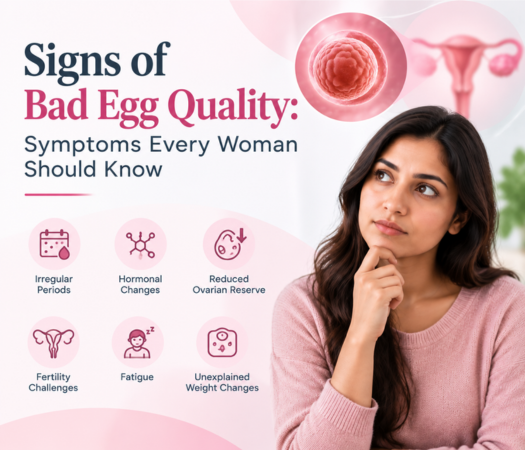
Signs of Bad Egg Quality: Symptoms Every Woman Should Know

Signs of Bad Egg Quality: Symptoms Every Woman Should Know Home Signs of Bad Egg Quality: Symptoms Every Woman Should Know Female fertility depends on several factors, but one of the most important is the quality of a woman’s eggs. Healthy eggs are essential for successful fertilisation, embryo development, and

Read More »
icsi-vs-ivf

ICSI vs IVF: Which One Is Better?

What Is the Difference Between ICSI and IVF? Home What Is the Difference Between ICSI and IVF? Infertility treatments have helped millions of couples achieve their dream of parenthood. Among the most common assisted reproductive techniques are IVF and ICSI. Many couples researching fertility options often ask, what is the

Read More »

Leave a Reply

Your email address will not be published. Required fields are marked *