


Dr Sabia Mangat

What Is the Difference Between ICSI and IVF?

Infertility treatments have helped millions of couples achieve their dream of parenthood. Among the most common assisted reproductive techniques are IVF and ICSI. Many couples researching fertility options often ask, what is the difference between ICSI and IVF and which treatment is better for their specific condition. While both procedures are designed to help fertilization occur, there are important differences in how they work and when they are recommended.

Understanding what is the difference between ICSI and IVF can help couples make informed decisions about fertility care. Both treatments are widely used in modern reproductive medicine and are available at advanced fertility centers offering IVF treatment in Chandigarh and ICSI Treatment in Chandigarh.

Understanding IVF Treatment

Before discussing what is the difference between ICSI and IVF, it is important to understand IVF itself. IVF, or In Vitro Fertilization, is a fertility procedure where eggs and sperm are combined in a laboratory dish to allow natural fertilization. Once fertilization occurs, the embryo is transferred into the uterus.

Couples may choose IVF treatment in Chandigarh for several reasons, including blocked fallopian tubes, ovulation disorders, endometriosis, or unexplained infertility. IVF has become one of the most effective fertility treatments available today.

When discussing IVF and ICSI difference, IVF relies on the sperm naturally penetrating the egg without direct assistance from the embryologist.

Understanding ICSI Treatment

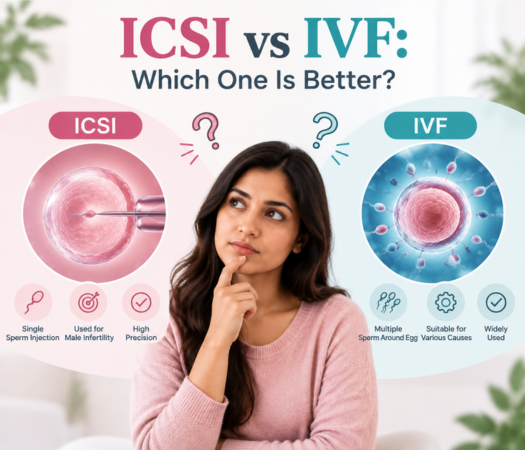
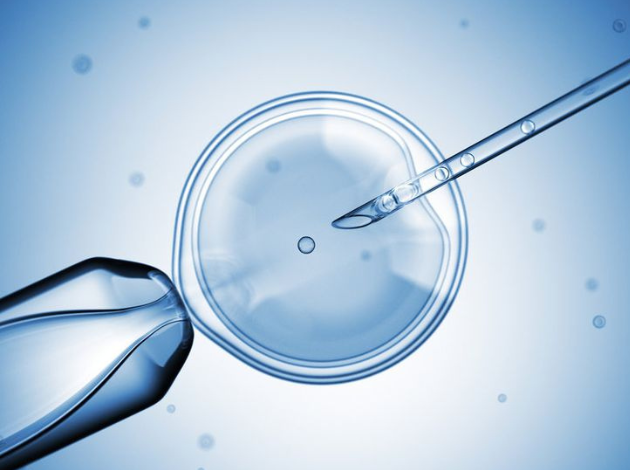
To fully understand what is the difference between ICSI and IVF, couples should also know how ICSI works. ICSI stands for Intracytoplasmic Sperm Injection. In this procedure, a single healthy sperm is directly injected into the egg by an embryologist.

The main goal of ICSI is to improve fertilization in cases where sperm quality or quantity is poor. Many patients seeking ICSI Treatment in Chandigarh choose this advanced method because it can overcome severe male infertility problems.

The biggest point in understanding the difference between IVF and ICSI is that IVF allows fertilization to happen naturally in the laboratory, while ICSI involves direct sperm injection into the egg.

What Is the Difference Between ICSI and IVF?

One of the most common fertility questions is, what is the difference between ICSI and IVF? Although both treatments involve egg retrieval and embryo transfer, the fertilization process is different.

Fertilization Method – In IVF, eggs and sperm are placed together in a dish, and fertilization occurs naturally. In ICSI, a specialist manually injects one sperm directly into the egg.

Recommended Cases – Another important aspect of what is the difference between ICSI and IVF is the type of infertility being treated. IVF is often used for female infertility conditions, while ICSI is commonly recommended for male infertility issues.

Sperm Quality – The IVF and ICSI difference becomes especially important when sperm quality is low. ICSI can help achieve fertilization even with very low sperm counts or poor sperm motility.

Laboratory Technique – In IVF, fertilization depends on the sperm reaching and penetrating the egg naturally. In ICSI, the embryologist assists fertilization directly.

Cost Differences – Couples researching fertility care also ask about the difference between IVF and ICSI in terms of cost. Since ICSI requires advanced laboratory procedures and specialized equipment, it is often slightly more expensive than traditional IVF.

ICSI vs IVF: Which One Is Better?

The debate around icsi vs ivf depends entirely on the couple’s fertility condition. There is no single treatment that is best for everyone.

For couples with normal sperm quality, IVF may be sufficient. However, in cases of severe male infertility, doctors may strongly recommend ICSI. Understanding what is the difference between ICSI and IVF helps couples choose the most suitable treatment option.

The choice between icsi vs ivf should always be made after detailed fertility evaluation by an experienced specialist.

When Is ICSI Recommended?

Another major factor in understanding what is the difference between ICSI and IVF is knowing when ICSI becomes necessary. Doctors may recommend ICSI in the following situations:

  • Low sperm count
  • Poor sperm motility
  • Abnormal sperm shape
  • Previous IVF fertilization failure
  • Surgically retrieved sperm
  • Frozen sperm samples
  • Unexplained infertility


Couples searching for ICSI Treatment in Chandigarh often consult fertility experts to determine if ICSI is the right option for them.

Success Rates of IVF and ICSI

Success rates are another important part of the discussion about what is the difference between ICSI and IVF. Both treatments can provide excellent pregnancy outcomes depending on factors such as age, egg quality, sperm health, and overall reproductive condition.

The comparison of icsi vs ivf success rates often shows that ICSI has better fertilization rates in male infertility cases. However, overall pregnancy success may be similar once healthy embryos are formed.

Leading clinics providing IVF treatment in Chandigarh and ICSI Treatment in Chandigarh use advanced fertility technology to improve patient outcomes.

Risks Associated with IVF and ICSI

While discussing what is the difference between ICSI and IVF, it is important to understand that both procedures carry certain risks.

Possible risks include:

  • Ovarian hyperstimulation syndrome
  • Multiple pregnancies
  • Emotional stress
  • Procedure-related discomfort
  • Rare fertilization failure


Despite these risks, both IVF and ICSI are considered safe and effective fertility treatments when performed by experienced specialists.

IVF and ICSI Difference in Cost

Many couples also ask about the financial side of fertility treatment. The IVF and ICSI difference in cost usually comes from the additional laboratory work involved in ICSI.

Since ICSI requires direct sperm injection and specialized embryology techniques, it is generally more expensive than standard IVF. However, for couples with severe male infertility, ICSI may provide a better chance of fertilization and pregnancy.

Clinics offering IVF treatment in Chandigarh and ICSI Treatment in Chandigarh often provide personalized treatment plans based on patient needs and fertility conditions.

Why Choose Dr. Sabia Mangat for Fertility Treatment?

Couples searching for trusted fertility care often choose Dr. Sabia Mangat for advanced reproductive treatments in Chandigarh and Mohali. With extensive experience in fertility care, Dr. Sabia Mangat offers personalized treatment plans designed to improve pregnancy outcomes.

Patients exploring what is the difference between ICSI and IVF receive detailed guidance and complete fertility evaluations to determine the most suitable treatment option. Her clinics provide advanced reproductive technology, compassionate patient support, and expert fertility care.

Whether couples are considering IVF treatment in Chandigarh or ICSI Treatment in Chandigarh, Dr. Sabia Mangat focuses on individualized care and evidence-based fertility solutions.

FAQs About IUI Treatment

ICSI is an advanced fertility procedure where a single sperm is directly injected into an egg to assist fertilization.

IVF is a fertility treatment where eggs and sperm are combined in a laboratory dish for natural fertilization before embryo transfer.

The main answer to what is the difference between ICSI and IVF is the fertilization process. IVF allows natural fertilization, while ICSI involves direct sperm injection into the egg.

ICSI is usually recommended for severe male infertility, failed IVF cycles, or poor sperm quality.

In male infertility cases, ICSI may improve fertilization rates compared to standard IVF.

In most severe male infertility cases, ICSI is considered more effective than IVF.

Yes, ICSI is generally more expensive because it involves specialized laboratory procedures.

Yes, ICSI can improve fertilization rates, especially in couples dealing with male infertility problems.

Final Thoughts

Understanding what is the difference between ICSI and IVF is essential for couples considering fertility treatment. Both procedures are highly effective, but the right option depends on the cause of infertility and individual reproductive health.

With expert guidance from Dr. Sabia Mangat and access to advanced IVF treatment in Chandigarh and ICSI Treatment in Chandigarh, couples can confidently move forward on their journey toward parenthood.

Recent Blogs

ICSI vs IVF: Which One Is Better?

What Is the Difference Between ICSI and IVF? Home What Is the Difference Between ICSI and IVF? Infertility treatments have helped millions of couples achieve their dream of parenthood. Among the most common assisted reproductive techniques are IVF and ICSI. Many couples researching fertility options often ask, what is the

Read More »

What is Minimal Stimulation IVF? Process, Benefits & Success Rate

What is Minimal Stimulation IVF? Process, Benefits & Success Rate Home What is Minimal Stimulation IVF? Process, Benefits & Success Rate For couples struggling with infertility, IVF has become one of the most effective treatment options available today. However, many patients are now looking for fertility solutions that are less

Read More »

What Is ICSI Treatment and When Is It Recommended?

What Is ICSI Treatment and When Is It Recommended? Home What Is ICSI Treatment and When Is It Recommended? Infertility can be a difficult journey for many couples, but modern reproductive treatments have made parenthood possible for thousands of families. One of the most effective assisted reproductive techniques available today

Read More »

7 Best Foods to Increase Fertility Naturally

7 Best Foods to Increase Fertility Naturally Home 7 Best Foods to Increase Fertility Naturally When couples plan to have a baby, diet plays a very important role. Eating the right food can support your body and improve your chances of pregnancy. In this article, we will talk about the

Read More »

10 Most Common Reasons for IVF Failure

10 Most Common Reasons for IVF Failure Home 10 Most Common Reasons for IVF Failure In vitro fertilization, or IVF, brings hope to many couples who want a baby. It is a special treatment where eggs and sperm are joined in a lab, and then a doctor places the embryo

Read More »

Leave a Reply

Your email address will not be published. Required fields are marked *