

Dr Sabia Mangat

What is Minimal Stimulation IVF? Process, Benefits & Success Rate

What is Minimal Stimulation IVF?

For couples struggling with infertility, IVF has become one of the most effective treatment options available today. However, many patients are now looking for fertility solutions that are less aggressive, more affordable, and physically easier on the body. This is where Minimal Stimulation IVF, also known as Mini IVF, comes into the picture.

If you are wondering What is minimal stimulation IVF, this treatment approach uses lower doses of fertility medications while still aiming to achieve successful pregnancy outcomes. Under the expert guidance of Dr. Sabia Mangat, a leading Reproductive Medicine and IVF specialist, couples receive personalised fertility care designed to improve success with patient comfort in mind.

This guide explains What is minimal stimulation IVF, how the process works, its benefits, success rates, and who may benefit from this advanced fertility treatment.

What is Minimal Stimulation IVF?

Many couples ask, What is minimal stimulation IVF and how it differs from traditional IVF. Minimal Stimulation IVF, often called Mini IVF, is a fertility treatment that uses lower doses of hormonal stimulation medications to encourage the ovaries to produce fewer but higher-quality eggs.

In conventional IVF, high-dose medications are used to retrieve a larger number of eggs. In contrast, Minimal Stimulation IVF focuses on quality over quantity. The goal is to reduce physical stress, medication side effects, and treatment costs while still maintaining good pregnancy outcomes.

When discussing what is minimal stimulation IVF, it is important to understand that this approach may be ideal for women with low ovarian reserve, older patients, or those who want a gentler fertility treatment experience.

At Dr. Sabia Mangat clinic, every fertility plan is carefully customised after a complete fertility evaluation to ensure the most suitable treatment approach

Understanding the Minimal Stimulation IVF Process

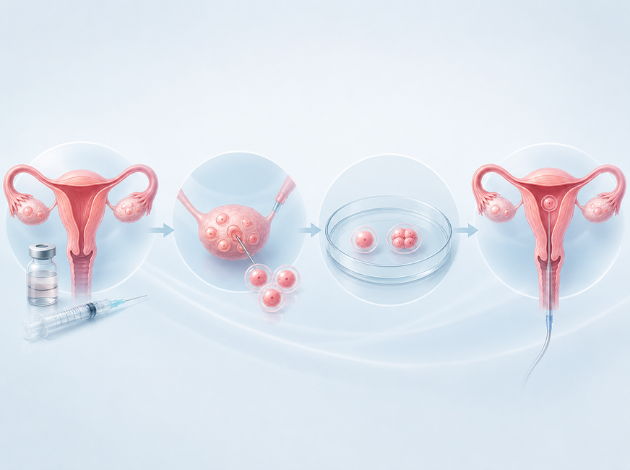
The Minimal stimulation IVF process follows similar steps to traditional IVF but with lower medication doses and a more patient-friendly approach.

1. Initial Fertility Evaluation

The journey begins with fertility testing, including hormonal analysis, ultrasound scans, and semen analysis. This helps determine whether Mini IVF is appropriate for the patient.

2. Mild Ovarian Stimulation

During the Minimal stimulation IVF process, patients receive lower doses of fertility medications or oral medicines to stimulate egg production. Instead of aiming for many eggs, the focus is on obtaining a few healthy eggs.

3. Monitoring and Ultrasounds

The ovaries are monitored through blood tests and ultrasounds to track follicle development and ovulation timing.

4. Egg Retrieval

Once the eggs are mature, they are retrieved through a minor procedure performed under light sedation.

5. Fertilisation and Embryo Development

The eggs are fertilised in the laboratory using sperm from the partner or donor. The resulting embryos are monitored carefully.

6. Embryo Transfer

One healthy embryo is transferred into the uterus to achieve pregnancy.

The Minimal stimulation IVF process is often shorter and less physically demanding compared to conventional IVF cycles.

Mini IVF Benefits

There are several important Mini IVF benefits that make this treatment increasingly popular among couples seeking fertility care.

Lower Medication Use – One of the biggest Mini IVF benefits is reduced exposure to fertility drugs. This lowers the risk of side effects and makes the treatment more comfortable.

Reduced Risk of OHSS – Minimal Stimulation IVF significantly lowers the chances of Ovarian Hyperstimulation Syndrome (OHSS), a condition associated with aggressive hormonal stimulation.

More Affordable Treatment – Because lower medication doses are used, the treatment may cost less than conventional IVF.

Better Egg Quality – In some women, especially older patients, retrieving fewer but healthier eggs may improve embryo quality.

These Mini IVF benefits make the treatment suitable for patients who prefer a more natural and gentle fertility approach.

Who is the Right Candidate for Mini IVF?

If you are asking What is minimal stimulation IVF best suited for, the answer depends on individual fertility conditions.

Mini IVF may be recommended for:

  • Women with low ovarian reserve
  • Women over 35 years of age
  • Patients who responded poorly to traditional IVF
  • Women at risk of OHSS
  • Couples seeking a lower-cost IVF option
  • Patients preferring fewer injections and medications


Dr. Sabia Mangat carefully evaluates each patient’s reproductive health before recommending the most suitable fertility treatment.

Minimal Stimulation IVF Success Rates

Many couples are naturally concerned about minimal stimulation ivf success rates before starting treatment.

The success of Mini IVF depends on factors such as:

  • Woman’s age
  • Egg quality
  • Sperm quality
  • Overall reproductive health
  • Embryo quality


While conventional IVF may retrieve more eggs, studies show that minimal stimulation ivf success rates can still be highly effective in selected patients, particularly when good-quality embryos.

Is Mini IVF Less Painful Than Traditional IVF?

One reason many patients want to know What is minimal stimulation IVF is because they are concerned about the physical and emotional burden of fertility treatment.

Mini IVF is generally considered less physically demanding because:

  • Fewer hormone injections are used
  • Lower medication doses reduce bloating and discomfort
  • There is less ovarian stimulation
  • Recovery is often easier


This gentler approach makes treatment more manageable for many women.

How Many Eggs Are Retrieved in Mini IVF?

Unlike traditional IVF, where doctors aim to retrieve many eggs, Mini IVF typically focuses on collecting fewer eggs.

Most patients undergoing the Minimal stimulation IVF process may produce around 2–7 eggs per cycle, depending on their ovarian reserve and age. The focus remains on obtaining good-quality eggs rather than high numbers.

What are the Side Effects of Minimal Stimulation IVF?

Although Mini IVF uses lower medication doses, some mild side effects may still occur, including:

  • Mild bloating
  • Fatigue
  • Headache
  • Mild abdominal discomfort
  • Temporary mood changes


Because the ovaries are stimulated less aggressively, side effects are generally milder than conventional IVF treatments.

How is Mini IVF Different from Conventional IVF?

When discussing What is minimal stimulation IVF, understanding the difference from standard IVF is important.

Mini IVF:
  • Uses lower medication doses
  • Produces fewer eggs
  • Lower risk of OHSS
  • Lower treatment cost
  • Gentler on the body


Conventional IVF:
  • Uses high-dose stimulation
  • Produces more eggs
  • Higher medication-related side effects
  • Higher treatment cost


The right approach depends entirely on the patient’s medical condition and fertility goals.

Minimal Stimulation IVF in Chandigarh

Couples searching for Minimal stimulation IVF in Chandigarh should choose an experienced fertility specialist who provides personalised reproductive care.

Dr. Sabia Mangat is known for offering advanced fertility solutions, including Minimal stimulation IVF in Chandigarh, with a patient-focused and evidence-based approach.

Patients choosing Minimal stimulation IVF in Chandigarh benefit from:

  • Individualised fertility treatment plans
  • Advanced fertility monitoring
  • Modern embryology support
  • Ethical and transparent care
  • Compassionate patient counselling

The clinic aims to provide safe, effective, and comfortable fertility care for couples at every stage of their journey.

FAQs About Minimal Stimulation IVF

It is an IVF technique that uses lower doses of fertility medications to retrieve fewer but high-quality eggs.

The process includes fertility evaluation, mild ovarian stimulation, monitoring, egg retrieval, fertilisation, and embryo transfer.

Benefits include lower medication use, reduced side effects, lower cost, and a gentler treatment experience.

Women with low ovarian reserve, older patients, or those seeking a less aggressive IVF approach may benefit from Mini IVF.

Success rates vary depending on age and fertility health but can be effective in carefully selected patients.

Yes, Mini IVF is generally less physically demanding because it uses lower medication doses.

Most patients produce around 2–7 eggs during a Mini IVF cycle.

Possible side effects include mild bloating, fatigue, and temporary discomfort.

Mini IVF uses fewer medications and retrieves fewer eggs, while conventional IVF uses higher stimulation for larger egg numbers.

Yes, Dr. Sabia Mangat offers advanced Minimal stimulation IVF in Chandigarh with personalised fertility care.

Final Thoughts

Understanding What is minimal stimulation IVF can help couples make informed fertility decisions based on their medical needs, comfort, and treatment goals. Mini IVF offers a gentler and more affordable alternative to conventional IVF while still providing promising pregnancy outcomes for selected patients.

Under the guidance of Dr. Sabia Mangat, couples receive compassionate fertility care supported by advanced reproductive expertise. From diagnosis to treatment planning, every step is designed to provide comfort, transparency, and hope on the journey toward parenthood.

Recent Blogs

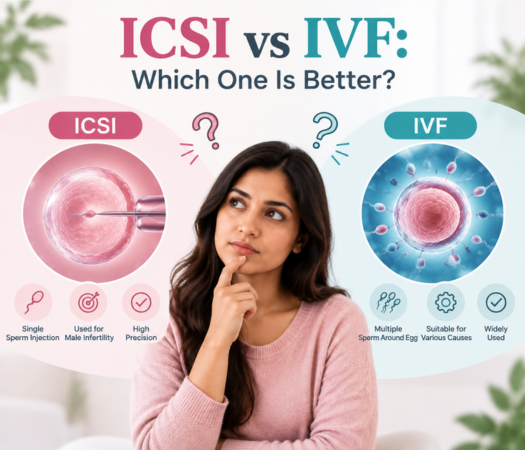
ICSI vs IVF: Which One Is Better?

What Is the Difference Between ICSI and IVF? Home What Is the Difference Between ICSI and IVF? Infertility treatments have helped millions of couples achieve their dream of parenthood. Among the most common assisted reproductive techniques are IVF and ICSI. Many couples researching fertility options often ask, what is the

Read More »

What is Minimal Stimulation IVF? Process, Benefits & Success Rate

What is Minimal Stimulation IVF? Process, Benefits & Success Rate Home What is Minimal Stimulation IVF? Process, Benefits & Success Rate For couples struggling with infertility, IVF has become one of the most effective treatment options available today. However, many patients are now looking for fertility solutions that are less

Read More »

What Is ICSI Treatment and When Is It Recommended?

What Is ICSI Treatment and When Is It Recommended? Home What Is ICSI Treatment and When Is It Recommended? Infertility can be a difficult journey for many couples, but modern reproductive treatments have made parenthood possible for thousands of families. One of the most effective assisted reproductive techniques available today

Read More »

7 Best Foods to Increase Fertility Naturally

7 Best Foods to Increase Fertility Naturally Home 7 Best Foods to Increase Fertility Naturally When couples plan to have a baby, diet plays a very important role. Eating the right food can support your body and improve your chances of pregnancy. In this article, we will talk about the

Read More »

10 Most Common Reasons for IVF Failure

10 Most Common Reasons for IVF Failure Home 10 Most Common Reasons for IVF Failure In vitro fertilization, or IVF, brings hope to many couples who want a baby. It is a special treatment where eggs and sperm are joined in a lab, and then a doctor places the embryo

Read More »

Leave a Reply

Your email address will not be published. Required fields are marked *